
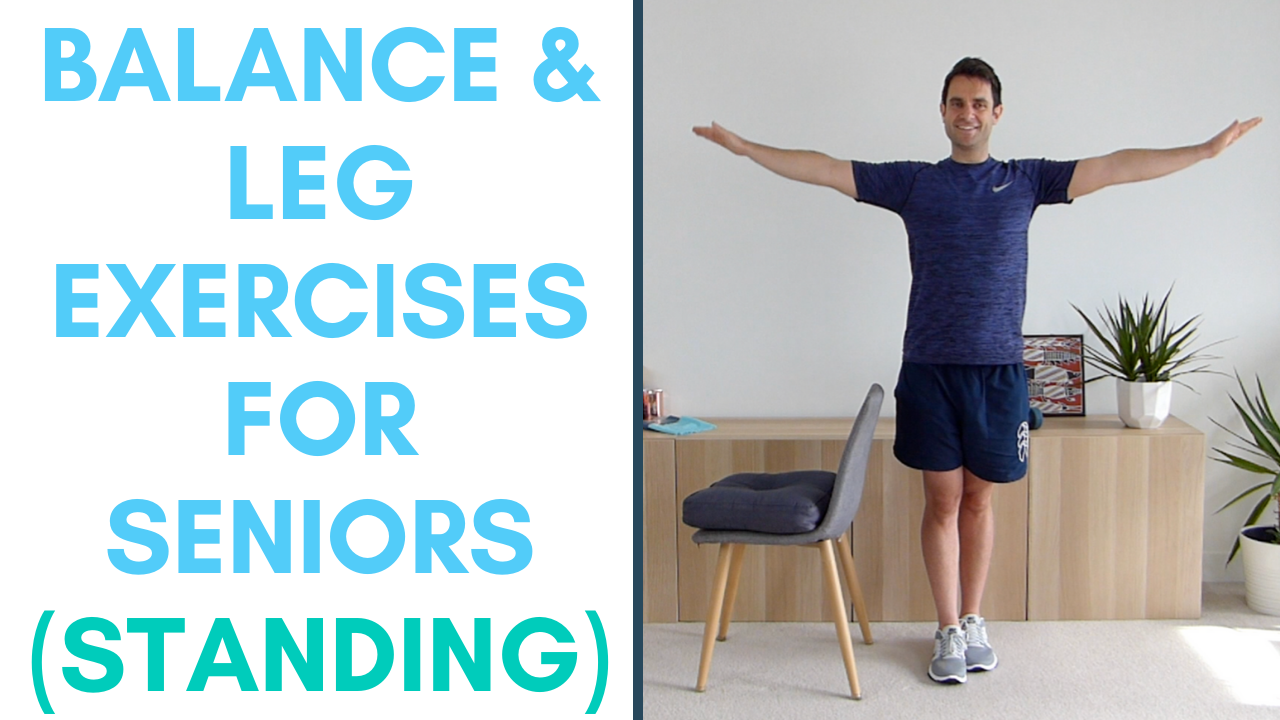
Challenging Balance and Leg Exercises For Seniors (18 Mins)
Here we have an 18-minute balance and leg exercise session for seniors. These balance exercises are a little more challenging! Do your best and stay consistent weekly!
Balance and leg exercises for seniors (challenging)
Here we have an 18-minute balance and leg exercise session for seniors. These balance exercises are a little more challenging! Do your best and stay consistent weekly!
Make sure you do the warm-up before beginning.
Standing Warm-Up: https://youtu.be/b2DYU7ZQgN0
Seated Warm-Up: https://youtu.be/nfGWaRoKr7k
And to help you on your journey to improved health and fitness, join the Facebook Support Community. Click here: https://www.facebook.com/groups/morelifehealth
For a 4-week senior's exercise eBook, plus seniors' health and exercise tips and much, much more. Sign up to More Life Health mailing list: Click Here: https://www.morelifehealth.com/join
To get straight into the workout go to 1:00.

Do your best and any questions ask below!
- Mike
The Best Neck Stretches For Seniors
The Best Neck Exercises For Seniors
STRETCH 1: NECK FLEXION STRETCH
HOW TO:
Sitting up tall in your chair with your shoulders back and down.
Bring your chin down to your chest as far as you feel comfortable. You will feel a stretch in the back of the neck.
To increase the stretch place your hands on the back of your head and apply a gentle pressure.
Hold for the set time.
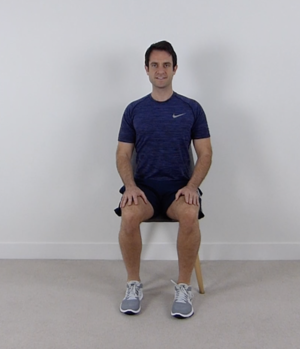
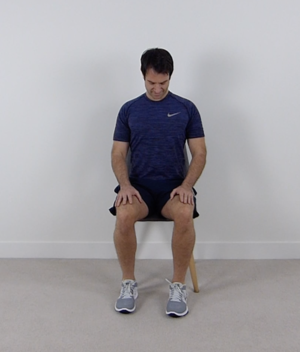
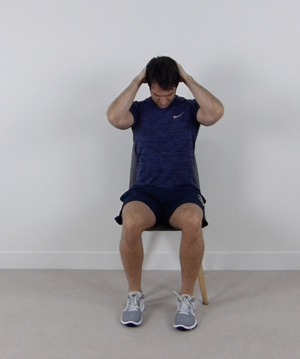
HOLD FOR: 30-60 seconds
For Video Demonstration of This Exercise: Click here.
STRETCH 2: NECK EXTENSION STRETCH
HOW TO:
Sitting up tall in your chair with your shoulders back and down.
Bring your head straight back, looking up to the ceiling and going as far back as you feel comfortable. Do not push into any pain.
Hold for the set time.
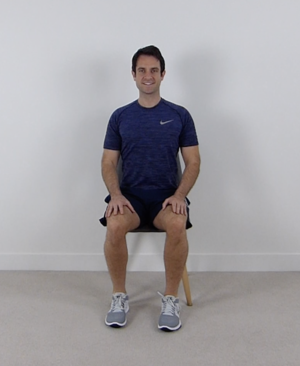
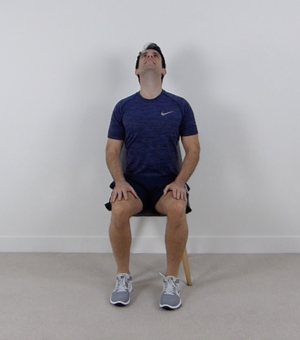
HOLD FOR: 30-60 seconds
For Video Demonstration of This Exercise: Click here.
STRETCH 3: NECK SIDE FLEXION STRETCH
HOW TO:
Sitting up tall in your chair with your shoulders back and down.
Bring your ear down to your shoulder. Do not bring your shoulder up to your ear, leave your shoulder relaxed. Go as far as you feel comfortable.
To increase the stretch place your hand on the side of your head and apply a gentle pressure.
Hold for the set time and alternate sides.
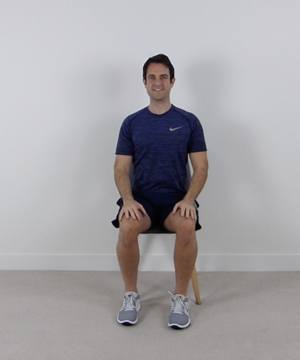
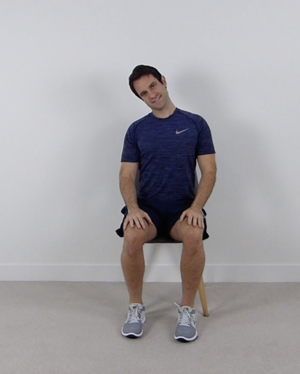
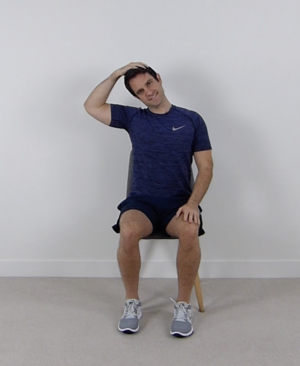
HOLD FOR: 30-60 seconds
For Video Demonstration of This Exercise: Click here.
STRETCH 4: NECK ROTATION STRETCH
HOW TO:
Sitting up tall in your chair with your shoulders back and down
Look over to one side, as far as you feel comfortable.
Hold for the set time and repeat on the opposite side.
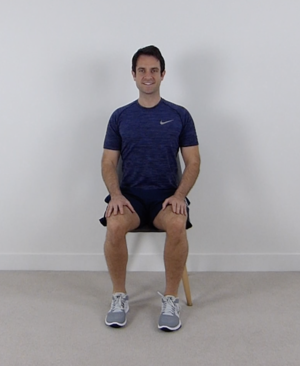
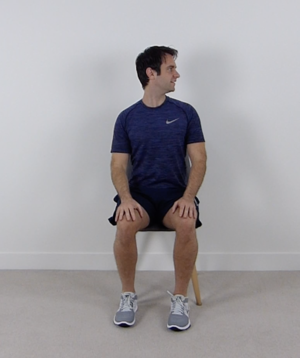
HOLD FOR: 30-60 seconds
For Video Demonstration of This Exercise: Click here.
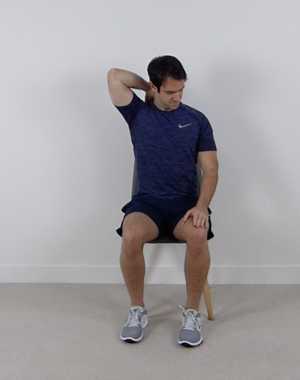
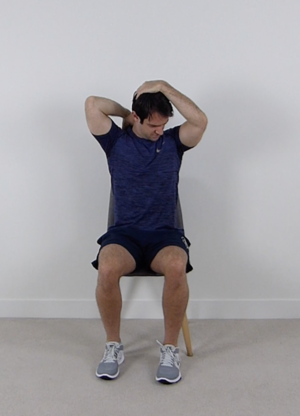
STRETCH 5: LEVATOR SCAPULAR STRETCH
HOW TO:
Sitting up tall in your chair with your shoulders back and down.
Place the hand of the side you are stretching behind the shoulder to stabilise your shoulder blade. If unable to do this, just perform the exercise without placing one hand behind your shoulder.
Turn your head to roughly 45 degrees to one side and bring your head down as if you are looking at your knee on that side. You will feel a stretch on the opposite side you are looking behind the neck and shoulder. (This muscle is known as Levator Scapular)
To increase the stretch place your hand on the back of your head and apply a gentle pressure.
Hold for the set time and repeat on the opposite side.
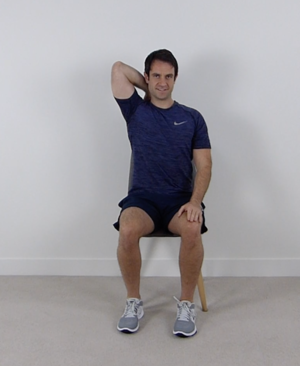
HOLD FOR: 30-60 seconds
For Video Demonstration of This Exercise: Click here.

Flexibility Exercises For Seniors: A Comprehensive Guide to Regaining Flexibility
Flexibility is an essential component of good health and fitness, and is especially important for seniors.
I don’t mean the kind of flexibility of being able to do the splits, or turning oneself into a human-like-pretzel.
I mean being unrestricted in your movements, being able to move all your joints as they should be moved and getting about easily in your day-to-day life, without feeling the painful niggles that comes with tight muscles and inflexible joints.
In this article, we are going to be covering everything you need to know about regaining flexibility after 60. Read it all, learn it all, put in the effort by doing it all, stay consistent and watch yourself become more flexible. Just like your younger days!
Enjoy the guide and the journey to a flexible you!
HOW TO IMPROVE FLEXIBILITY AFTER 60
No matter our age, we all want to be flexible!
Flexibility is an essential component of good health and fitness and is especially vital for seniors.
I don’t mean the kind of flexibility of being able to do the splits or turning oneself into a human-like-pretzel.
I mean the type of flexibility of being unrestricted in your movements. Being able to move all your joints fluidly and getting about with ease in your daily life. All without feeling any painful niggles that come with tight muscles and stiff joints.
You may think back to your earlier days when you could touch your toes with ease. Maybe you were capable of doing the splits. Or, perhaps you even were a human-like-pretzel.

Nowadays, you might be noticing you’re just not as flexible as you once were.
The tasks in your daily life may be getting more difficult to do, like bending down to (or getting up off) the floor. Or, reaching high above, or behind your head.
Or maybe you’re just noticing your joints aren’t straightening or moving, in the way they once did.
Our bodies are going to age; it’s inevitable.
With an ageing body comes decreased flexibility, especially if we forget what’s necessary to keep ourselves flexible and moving well.
However, just like all components of fitness, regardless of our age and current physical capabilities, you CAN make BIG improvements…. You CAN regain your flexibility at ANY age!
By improving your flexibility, not only will you be improving the range of motion in each of your joints, but you’re going to find yourself moving around with greater ease. All those daily movements will seem so much easier, and you’ll feel yourself becoming free of painful niggles.
You’ll have improved posture, improved balance and also decrease your chances of picking up a future injury.
Not only this, we all know how good we feel after we stretch out our body.
Stretching can help in decreasing tension and stress, resulting in a positive mindset, relaxed body and feeling good!
In this article, we are going to be covering everything you need to know for regaining flexibility after the age of 60.
Read it all, learn it all, put in the effort by doing what’s contained within, stay consistent and watch yourself become more flexible. Just like your younger days!
Enjoy the guide and the journey to a flexible you!
Mike
WHAT THIS GUIDE WILL COVER:
1 - BECOMING A FLEXIBLE SENIOR
2 - THE SENIORS' STRETCHING PLAN
3 - START STRETCHING NOW - STRETCHING EXERCISES FOR SENIORS (WITH PICTURES + VIDEO DEMONSTRATIONS)
How Flexible Are You?
Quick, Functional Flexibility Tests For Seniors
To test your flexibility, here are a few simple at home tests you can do to determine how flexible you in areas important for everyday tasks.
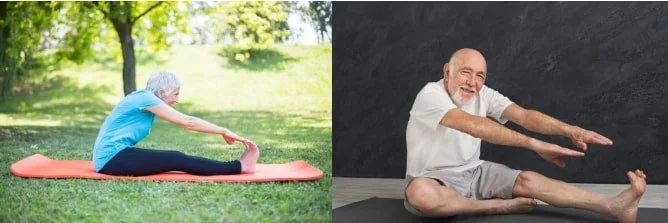
Sit & Reach Test: This test measures the flexibility of the hamstrings and lower back. While sitting, extend one leg, and slide your hand down towards your foot. The closer your hand gets to your foot, the better your flexibility. This flexibility is vital for walking, balance, reducing back pain, and preventing falls.
Tying Shoelaces Test: This everyday task requires significant flexibility in the hips and lower back. There are three common positions for tying shoelaces: seated with the leg out in front, seated with one leg crossed over the other, or kneeling. Difficulty in performing this task in any of these positions indicates decreased flexibility in these areas, which can make the task challenging.
Scratch Your Back/Brush Your Hair Test: This tests the flexibility of the upper body and shoulders. Try reaching over your head with one hand and behind your back with the other, attempting to touch your fingers. The closer your fingers are, the better your shoulder flexibility. This is essential for reaching objects in high places, grooming, and dressing.
These tests help seniors understand their flexibility levels, important for daily functions. However, it's crucial to consult a doctor before starting any exercise regimen to improve flexibility. This guidance ensures safe and effective practices tailored to individual health conditions and needs.
1 - BECOMING A FLEXIBLE SENIOR
Why Are My joints Stiff?: Why We Lose Flexibility As We Age!
As with most of our physical capabilities, like our strength, balance and muscle size that decreases as we age, flexibility, unfortunately, is no exception.
Our once flexible and limber bodies are going to become more rigid and stiff with age. It’s inevitable, and the research shows this! [2, 3, 4].
So, why does this happen? Why do we lose flexibility as we age?
In simple terms, flexibility is having the full range of motion in the joints of our body.
For a joint to be flexible and move through its full range of motion, it is dependent on the soft tissues (the surrounding muscles, tendons, ligaments and even our skin) and the joint capsule.
Sometimes, certain factors get in the way impeding this movement, such as an abnormal condition in, or surrounding, the joint (For example, Osteoarthritis, Rheumatoid Arthritis, or Frozen Shoulder).
Or, in the majority of cases causing lack of flexibility, the joint can be completely healthy, but our muscles and the surrounding tissues become tighter, secondary to our lack of movement. [2, 4, 5, 6].
In technical terms, this immobility or lack of exercise/movement leads to cross-linking of the structural proteins (collagen) of our soft tissues, and a decrease in our strength and size or our muscles, which further decreases flexibility. (8)
As we get older, we tend to live less active lives. We substitute exercising with watching TV, outdoor excursions with indoor coffees and cakes, we can find all our entertainment within arms reach from our phone or tablet.
Everything we need and want takes much less effort to obtain. We simply sit more and move less.
Contrast the majority of the time you spend seated today to your younger days. Or, go back even further to how our ancestors lived, and you’ll find we spent a whole lot more time up and moving, and less time seated throughout our lives.
All of these changes impact our health and our bodies, and the more we persist in this sedentary lifestyle, the more consequences we will soon have to deal with.
However, the good news is……. We can do something about it!
With the loss of flexibility that comes with ageing being caused by lack of use, we can turn it around.
By becoming more active and doing the right exercises, we can regain our flexibility.
I have seen, and helped, this happen many times over my career as a Physiotherapist and the research shows that with the right exercise and activity, age-related LOSS OF FLEXIBILITY IS REVERSIBLE. (2,5,6,7).
Even in the presence of underlying abnormal joint conditions (such as the ones mentioned above), it’s usually the combination of this joint condition with lack of activity and exercise that affects the movement, decreasing flexibility.
Even in the presence of a joint condition, e.g. arthritis, we can still make significant improvements in our flexibility!
In simpler terms, and something I know you’ve heard many times before… WE HAVE TO ….. USE IT OR LOSE IT.
How Seniors Can Improve Flexibility
[Yoga, Pilates, Swimming, Tai Chi, Dancing, Massage, Foam Rolling, Stretching]
When most of us think about improving our flexibility, we usually think solely about stretching.
Yes, stretching is essential in improving your flexibility, and later in this article, I am going to show you exactly how to stretch all parts of your body (with pictures AND videos) which will help you regain your flexibility.
However, to improve your flexibility, there is a more important step we must do before we get stretching, and it is……
GET MOVING MORE

The first step in improving your flexibility is to get moving more each day.
Even just walking more is going to set those wheels in motion to improve your flexibility, as demonstrated in a study by Buccola & Stone. “An improvement of flexibility of the trunk and of the lower limbs was seen in people, between the age of 60 and 70, with their participation in a walking and jogging program that lasted 14 weeks."
Start spending more of your day on your feet, doing the activities you enjoy. Get outside, go swimming, do whatever it takes to ensure you are getting in more movement.
Activities that work your whole body. This can be anything from walking more, getting in the garden more, hiking, lawn bowls, golf, mix it up.
By doing this, you are going to be using your body in the ways they are meant to be used. You will be stretching out those hips and backs caused by tightened muscles from too much sitting and being in bad postures.
Some activities are going to be better than others to improve your flexibility, but the majority of us face daily willpower battles to move away from our sedentary, comfortable lifestyles.
So by doing activities you enjoy doing and find less of a chore to do, is the key to staying consistent and getting great results.
Here are other activities to consider which are great for flexibility and your health.
YOGA
Yoga is getting more and more popular, especially with older adults and for good reason.

Yoga is a gentle type of exercise, and that is great for flexibility, strength and mental wellbeing.
Yoga does not solely focus on specific body parts, but utilises movements which focus on the body as a whole, while targeting other aspects of our being. Emotional, spiritual and mental.
PILATES
Pilates is another form of exercise that can significantly help in improving one's flexibility levels. This type of gentle exercise has proven to be quite a useful tool for seniors looking to become more agile.
In Pilates gentle movements, low-impact poses, light stretches and the use of individual pieces of equipment are utilised, to improve physical capabilities.
SWIMMING
Swimming, or even just getting into a pool, moving around and doing exercises and stretching is a great way to improve flexibility.

Although it will not be as effective as doing set stretches, yoga or Pilates, swimming is a great way to lengthen the muscles.
Additionally, with swimming, we have the added advantage of less weight on our joints due to the buoyancy. This can be helpful with certain painful conditions placing less strain on the joints.
Another bonus of swimming is doing them in a heated pool. The heat has a relaxing effect on the soft tissues of our body, helping improve range of motion. Additionally, the heat can provide relief from painful conditions, which can also help with movement.
DANCING
Dancing is another great way to get you moving, which will help improve flexibility, get you stronger, fitter and help improve many other aspects of your health.

So dust off your old dancing shoes and get moving. There would be plenty of dancing classes around your area so keep an eye out for them
If a dancing class isn’t for you, put on your favourite music and dance around your house as if nobody is watching.
Dancing is not only great for the body but also great for the mind!

TAI CHI
Tai Chi is a gentle, slow and flowing form of exercise for both the body and the mind that originated in China many, many years ago.
This gentle form of exercise is great to not only improve flexibility but also to improve coordination, strength and decrease pain.
MASSAGE
Who doesn’t love a good massage? Massage can help with flexibility by releasing tight muscles and helping relieve tension.
Massage is also great to reduce stress, improve circulation and decrease pain.
Although I would not recommend massage to be used on its own to improve flexibility if you’ve got the luxury of being able to add in regular massages to your daily life, for the many health benefits, go for it!
USING A FOAM ROLLER.

As the name suggests, foam rollers are quite simply tubes of compressed foam that are used to self-massage certain areas of the body.
They are used by people of all ages and fitness levels as a way of improving blood circulation and relaxing contracted muscles, as well as providing other therapeutic benefits.
When massaging, the foam roller compresses the specific body area relieving tension in the process.
Foam rollers have been shown to improve overall flexibility and mobility.
STRETCHING
Along with getting moving more overall, by finding physical activities and exercise we enjoy doing, the next step to regaining our flexibility is stretching.
When most of us think about stretching, we usually think about holding our muscles in certain positions, which are usually uncomfortable, for a period of time (usually 20-60 seconds or more). This type of stretching is known as static stretching.
Along with static stretching, there is another type of stretching, known as dynamic stretching.
Dynamic stretching refers to active stretches; movements that are done repeatedly (for repetitions) in a short period of time, allowing your muscles to loosen up gradually.
Dynamic stretches are usually practiced prior to working out, as they’re a great way to warm up the muscles and prepare them for more challenging exercises.
They can also be completed in a set routine, consistently, to improve flexibility.
The third type of stretching I want to cover briefly is known as PNF stretching or Proprioceptive Neuromuscular Facilitation Stretching. (Long fancy words, I know!!)
This is basically just performing a stretch with a contraction of the muscle added in while doing it.
All these methods have shown to improve flexibility [10, 11, 12, 13]. However, PNF stretching requires a partner and does not increase flexibility any more so than static or dynamic stretching (14).
So in this article, we will be focusing on dynamic and static stretching.
While performing specific stretches, the muscles and tendons in your body become elongated, helping you increase your range of motion.
The body tends to adapt to the range of motion you frequently use, so if you only use your muscles for sitting on the couch, your muscles won’t have the need to bend differently.
This is why it’s important to focus on stretching the whole body and not just focusing on a single part of your body.
After a certain period of time of practising these stretches, you’ll start noticing the changes in your flexibility.
In order to regain flexibility, we must get stretching; however, before we do that, let’s get a rough idea of how flexible you are.
2 - THE SENIORS' STRETCHING PLAN
Now we can delve deeper into what exactly is required to regain flexibility.
Doing stretches every now and then isn’t going to get you the results you require, it involves knowledge on how long to hold stretches for, how often to stretch, how to stretch correctly and what to avoid when stretching in order to ensure you are performing them safely.
It also takes patience and a consistent effort.
So in this section, I will be covering all of this, and I’ll share some insights into how to maintain consistency with stretching.
How Long Do I hold Each Stretch?
For dynamic stretches, we perform the stretch for just a few seconds for each repetition as we feel the stretch. Aim for 8-12 repetitions with each area taking roughly 30-60 seconds.
For static stretching, there is no clear evidence for how long each stretch should be held for.
The general notion is that the more time you spend stretching the area, the more of a result you are going to get.
What I have found works best are 30-60 seconds and up to 2 minutes. If we are going to be stretching all areas of our body, and stay consistent, who has time to hold the stretches for longer than this?
By stretching for a number that isn’t going to overwhelm you each day, the more likely you are going to stick to it and the better results you will get. If you’re a keen bean and want to hold each stretch for longer, provided you don’t get any pain, go for it.
Always use your body as a guide on how you feel, and allow your muscles to adapt to the stretch gradually. Don’t overstretch and cause yourself pain.
Ease into the stretches by holding them for less time, to begin with, with less of a stretch of the muscle and build it up over time, by increasing the stretch and holding for a longer time.
How Often Should I Stretch?
To put things simply, unless you have a certain condition that makes stretching not such a good idea (E.g. hypermobile joints) there’s no limit to how frequently you stretch.
Stretching is always a good idea and can be done anytime and anywhere.
Now, if you haven’t made a habit of stretching so far as we do with all exercise including the time we hold each stretch, it’s a good idea to take things slow and start with doing some basic stretches at least 2-3 times a week.
Once you start feeling comfortable and ready to increase the amount of stretching you are doing, feel free to add additional stretches and perform them more frequently, to about 4-5 days per week and then even up to every day!
Basically, you can stretch how often you feel inclined.
If you’ve been sitting for an extended period of time and feel a bit stiff, simply do a few basic stretches to wake your muscles up.
Similarly, if you’re feeling tense or stressed, a few minutes of stretching can do wonders for your emotional and mental health.
What Should I Avoid When Stretching?
While stretching is an integral part of an active lifestyle and extremely beneficial to one’s health, it’s important each stretch is done correctly and safely.
In order to do, it’s a good idea to know what to avoid when stretching.
One of the most crucial things to remember is never to stretch an injured muscle.
Depending on the severity of the injury, you might cause an even more significant problem to the area, and/or delay tissue healing, which is why it’s necessary to always consult with your Doctor or Physiotherapist before undergoing any exercise.
This might seem obvious, but whatever you do never push a stretch to the point of pain. A stretching feeling is fine, but you should never experience any pain while stretching. You might be impatient and eager to improve your flexibility rapidly, but pushing into pain is not the answer. Be patient!
Same goes with something I commonly see, and that is bouncing at the end of a stretch, to increase the stretch.
This is known as ballistic stretching, and I do not recommend seniors perform ballistic stretching. Seniors should never bounce when stretching, as it increases your chance of injury. [15]
Another often overlooked aspect of stretching is breathing or - the lack of it.
Many people tend to hold their breath while stretching and exercising, and while this might seem easier or more convenient, the truth is that your muscles need oxygen to function correctly.
So, relax into each stretch with a nice relaxed breath and remember not to hold your breath.
Finally, Never perform stretches cold and always ease into each stretch. Make sure you perform some movements, or a warm-up, to ensure you are ready before performing your stretches.
Why Can't I Stay Consistent With My Stretching?
Have you noticed that every time you make a habit of stretching regularly, somehow you end up slacking off until you eventually stop stretching altogether?
Or, do you know it’s a good idea to stretch regularly to avoid injury, but you rarely do it?
We are aware that if we focus mainly on cardio routines that we’ll burn more calories, lose weight and increase our endurance. In the same way, we know that if our exercises consist of mostly strength exercises, we’ll tone up and become stronger.
But what do we know about flexibility?
We have learned, throughout the years, that flexibility, like a good night’s sleep and a plate full of veggies, is good for us.
We have also learned that maintaining good flexibility is an essential part of life and that we should implement different stretches into our daily routines.
But how many of us do this? How many of us prioritise stretching over other forms of exercise?
The truth is that we don’t put a big emphasis on flexibility as we don’t see immediate results from it.
It’s here where a paradigm shift is necessary.
We have to start thinking about flexibility in a much broader sense. We have to start thinking about our health in the long run.
No, flexibility won’t show on your body with stronger arms or a toned stomach. And no, you’re not going to get that feeling like you’ve had a really good workout.
But good flexibility from a consistent stretching routine will grant you the ability to use your body in ways you could never before and keep you moving well for life.
What we should also remember is that good flexibility is an asset just as valuable as any other kind of training. It’s with flexibility where our journey to a better, fitter, healthier, and injury/pain-free self begins.
So know the importance of good flexibility and start by putting ‘improving your flexibility’ up your list of priorities.
3 - START STRETCHING NOW - STRETCHING EXERCISES FOR SENIORS
If you complete my usual workouts, we do perform some dynamic stretches throughout and in the warm up videos (Standing Warm-Up Video and Seated Warm-Up Video).
I have also created other stretch videos you can follow to help improve your flexibility. Here is an Upper Body Stretch Video (click to access) and here is a Lower Body Stretch Video (click to access).
The Best Neck Stretches For Seniors
STRETCH 1: NECK FLEXION STRETCH
HOW TO:
Sitting up tall in your chair with your shoulders back and down.
Bring your chin down to your chest as far as you feel comfortable. You will feel a stretch in the back of the neck.
To increase the stretch place your hands on the back of your head and apply a gentle pressure.
Hold for the set time.


HOLD FOR: 30-60 seconds
For Video Demonstration of This Exercise: Click here.
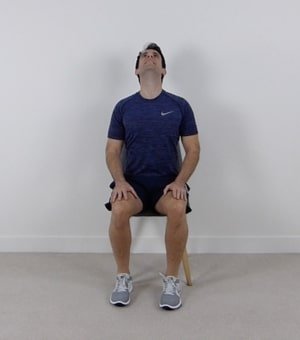
STRETCH 2: NECK EXTENSION STRETCH
HOW TO:
Sitting up tall in your chair with your shoulders back and down.
Bring your head straight back, looking up to the ceiling and going as far back as you feel comfortable. Do not push into any pain.
Hold for the set time.

HOLD FOR: 30-60 seconds
For Video Demonstration of This Exercise: Click here.
STRETCH 3: NECK SIDE FLEXION STRETCH
HOW TO:
Sitting up tall in your chair with your shoulders back and down.
Bring your ear down to your shoulder. Do not bring your shoulder up to your ear, leave your shoulder relaxed. Go as far as you feel comfortable.
To increase the stretch place your hand on the side of your head and apply a gentle pressure.
Hold for the set time and alternate sides.


HOLD FOR: 30-60 seconds
For Video Demonstration of This Exercise: Click here.
STRETCH 4: NECK ROTATION STRETCH
HOW TO:
Sitting up tall in your chair with your shoulders back and down
Look over to one side, as far as you feel comfortable.
Hold for the set time and repeat on the opposite side.


HOLD FOR: 30-60 seconds
For Video Demonstration of This Exercise: Click here.
STRETCH 5: LEVATOR SCAPULAR STRETCH
HOW TO:
Sitting up tall in your chair with your shoulders back and down.
Place the hand of the side you are stretching behind the shoulder to stabilise your shoulder blade. If unable to do this, just perform the exercise without placing one hand behind your shoulder.
Turn your head to roughly 45 degrees to one side and bring your head down as if you are looking at your knee on that side. You will feel a stretch on the opposite side you are looking behind the neck and shoulder. (This muscle is known as Levator Scapular)
To increase the stretch place your hand on the back of your head and apply a gentle pressure.
Hold for the set time and repeat on the opposite side.


HOLD FOR: 30-60 seconds
For Video Demonstration of This Exercise: Click here.
The Best Shoulder & Arm Stretches For Seniors
STRETCH 1: UPPER ARM & SHOULDER STRETCH
HOW TO:
Sitting up tall in your chair with your shoulders back and down.
Place one arm straight in front of your body and use your other hand to hug the straight arm to your body. This will increase the stretch.
Hold for the set time and repeat on the opposite side.

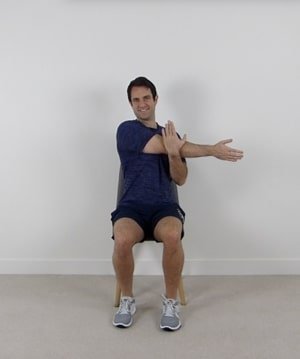
HOLD FOR: 30-60 seconds
For Video Demonstration of This Exercise: Click here.
STRETCH 2: SHOULDER & ARM OVERHEAD STRETCH
HOW TO:
Sitting up tall in your chair with your shoulders back and down.
Interlace your fingers and bring your arms up above your head.
Now turn your palms away from you, towards the ceiling and push up as far as you can.
Hold this movement for the set time, feeling the stretch in your shoulders and your sides.


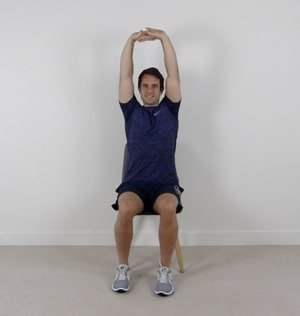
HOLD FOR: 30-60 seconds
For Video Demonstration of This Exercise: Click here.
STRETCH 3: WRIST FLEXION (FOREARM) STRETCH
HOW TO:
Sitting up tall in your chair with your shoulders back and down.
Place one arm straight in front of your body with your palm facing down and your fingers facing up.
Drop your wrist, allowing it to become weak.
Using your other hand bend your wrist by applying a gentle pressure, on the back of the hand, pulling the hand and fingers towards the elbow. Ensure you maintain a straight am throughout the stretch.
Hold for the set time and repeat on the opposite side.


HOLD FOR: 30-60 seconds
For Video Demonstration of This Exercise: Click here.
STRETCH 4: WRIST EXTENSION (FOREARM) STRETCH
HOW TO:
Sitting up tall in your chair with your shoulders back and down.
Place one arm straight in front of your body with your palm facing down and your fingers facing up.
Using your other hand bend your wrist by applying a gentle pressure, towards the elbow on the fingers. Ensure you maintain a straight am throughout the stretch.
Hold for the set time and repeat on the opposite side.


HOLD FOR: 30-60 seconds
For Video Demonstration of This Exercise: Click here.
The Best Back Stretches For Seniors
STRETCH 1: LUMBAR FLEXION STRETCH (SEATED TOE TOUCH)
HOW TO:
Sitting up tall in your chair with your shoulders back and down.
Place your feet slightly out in front of you and place your hands on your knees. Slowly slide your hands down your legs all the way to your feet.
Hold for the set time and slowly slide your hands back up.

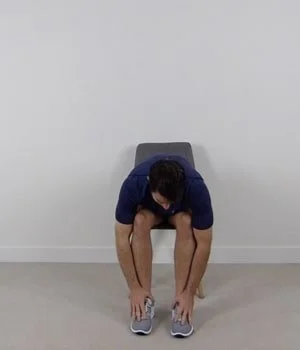
HOLD FOR: 30-60 seconds
For Video Demonstration of This Exercise: Click here.
STRETCH 2: LUMBAR SIDE FLEXION STRETCH
HOW TO:
Sitting up tall in your chair with your shoulders back and down.
Place one hand behind your head, and your other hand straight beside you. Slowly lean down to the side with the straight arm until you can feel a stretch on the opposite side. (If you have difficulty placing your hand behind your head, just keep it on your lap).
Hold for the set time and repeat on the opposite side.

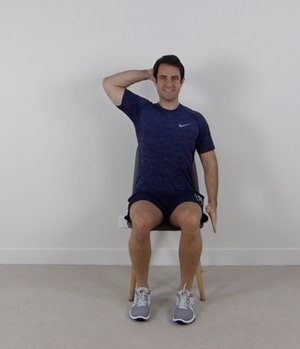
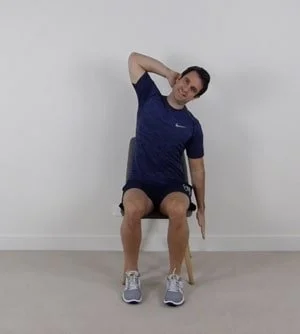
HOLD FOR: 30-60 seconds
For Video Demonstration of This Exercise: Click here.
STRETCH 3: LUMBAR EXTENSION STRETCH
HOW TO:
Sitting up tall in the middle of your chair with your shoulders back and down.
Place the palms of your hands in the small of your back and lean your lower back into your hands, feeling a stretch in your lower back. (If you have difficulty getting your palms around to the small of your back, use the backs of your hands).
Hold for the set time.


HOLD FOR: 30-60 seconds
For Video Demonstration of This Exercise: Click here.
STRETCH 4: RHOMBOIDS (UPPER BACK) STRETCH
HOW TO:
Sitting up tall in your chair with your shoulders back and down.
Interlace your fingers and push your palms out away from you.
Now bring your arms up to 90 degrees (or parallel to the floor) and push your hands out as far as possible, whilst maintaining that upright posture. feeling your shoulder blades stretch apart.
Hold for the set time and return to the start position.


HOLD FOR: 30-60 seconds
For Video Demonstration of This Exercise: Click here.
STETCH 5: THORACIC EXTENSION (UPPER BACK) STRETCH
HOW TO:
Sitting up tall in your chair with your shoulders back and down.
Now place your hands behind your head, maintain an upright posture and extend your upper back over the chair. (If you have difficulty placing your arms behind your head, place them across your chest).
Hold for the set time.
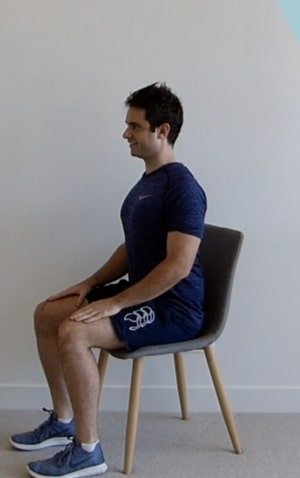


HOLD FOR: 30-60 seconds
For Video Demonstration of This Exercise: Click here.
STRETCH 6: THORACIC ROTATION (UPPER BACK) STRETCH
HOW TO:
Sitting up tall in your chair with your shoulders back and down.
Cross your arms over your chest, and leading with your arms rotate around until you feel a stretch in your upper back.
Hold for the set time and repeat on the opposite side.


HOLD FOR: 30-60 seconds
For Video Demonstration of This Exercise: Click here.
The Best Leg (Hip & Knee) Stretches For Seniors
STRETCH 1: SEATED HAMSTRING (BACK OF THIGH) STRETCH
HOW TO:
Sitting up tall in your chair, shuffle to the front of your chair
Keeping your hands on the opposite leg, place one leg out in front of you
Now keep your leg straight and point your toes towards the ceiling
Ensure you remain upright with a straight back and lean forward at the hips
Hold for the set time and change legs.


HOLD FOR: 30-60 seconds
For Video Demonstration of This Exercise: Click here.
For Video Demonstration of This Exercise in Standing Position: Click here.
STRETCH 2: SEATED GROIN (HIP ADDUCTOR) STRETCH
HOW TO:
Sitting up tall in your chair, shuffle to the front of your chair
Place one leg out straight to the side, keeping your toes, on both feet firmly on the ground and facing towards the front.
You will feel a stretch on the inner thigh of your straight leg, to increase the stretch you can lean forward slightly
Ensure you remain upright with a straight back throughout the exercise.
Hold for the set time and change legs.


HOLD FOR: 30-60 seconds
For Video Demonstration of This Exercise: Click here.
For Video Demonstration of This Exercise in Standing Position: Click here.
STRETCH 3: SEATED LATERAL ROTATION (HIPS, BUTTOCKS) STRETCH
HOW TO:
Sitting up tall, shuffle forward to the front of your chair.
Whilst continuing to hold onto the chair, extend your legs out and cross one leg over the other leg.
In a slow and controlled way, slide your heel up your shin until over the knee cap.
Now bend your opposite leg up, keeping your back straight and placing your hands on your shins.
Stay in this position and to add a little more stretch you can lean forward keeping your chest up and your shoulders parallel to the floor.
Hold for the set time and change legs.

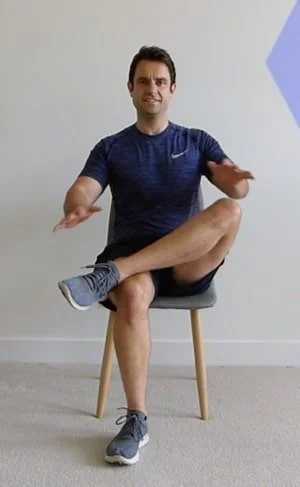

HOLD FOR: 30-60 seconds
For Video Demonstration of This Exercise: Click here.
STRETCH 4: HIP FLEXION (BUTTOCKS) STRETCH
HOW TO:
Sitting up tall with your shoulders back and down.
Lift one leg up to your chest, bending at the knee, and hug the leg.
Hold for the set time and change legs.
Ensure your shoulders are back and down throughout the exercise.
Hold for the set time and change legs.


HOLD FOR: 30-60 seconds
For Video Demonstration of This Exercise: Click here.
STRETCH 5: STANDING QUADRICEPS (FRONT OF THIGH) STRETCH
HOW TO:
Standing up tall next to your chair, holding onto your chair with one arm.
Bring one leg behind you, holding onto your foot.
Ensure you maintain your straight posture throughout the exercise and try to keep your knees next to each other
Hold for the set time and change legs.

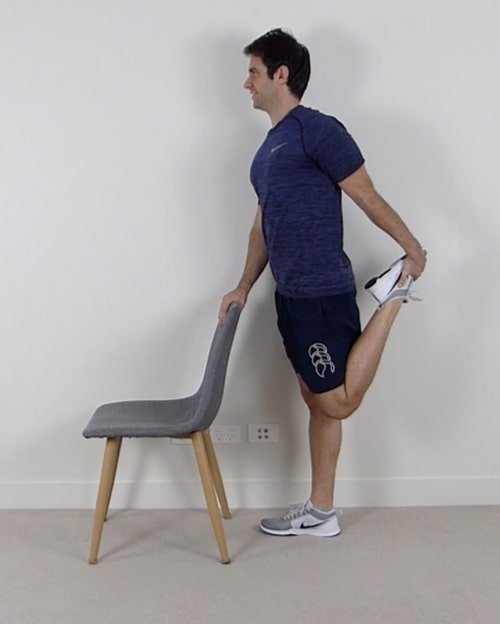
HOLD FOR: 30-60 seconds
For Video Demonstration of This Exercise: Click here.
STRETCH 6: STANDING CALF (BACK OF LOWER LEG) STRETCH
HOW TO:
Standing tall, holding on to your chair with both hands.
Step one foot back making sure your toes are facing forward throughout the exercise.
Now bring your front knee towards the chair ensuring that your heels remain in contact with the floor at all times.
Hold for the set time and change legs.


HOLD FOR: 30-60 seconds
For Video Demonstration of This Exercise: Click here.
The 10 Best Flexibility Exercises For Seniors - The Best Stretches For Seniors (With Pictures)
To make it easy for you to follow a simple routine to stretch out your muscles, I have compiled what I feel are the best stretches for seniors.
Follow along consistently, to start improving that whole body flexibility.
STRETCH 1: NECK EXTENSION STRETCH
HOW TO:
Sitting up tall in your chair with your shoulders back and down.
Bring your head straight back, looking up to the ceiling and going as far back as you feel comfortable. Do not push into any pain.
Hold for the set time.

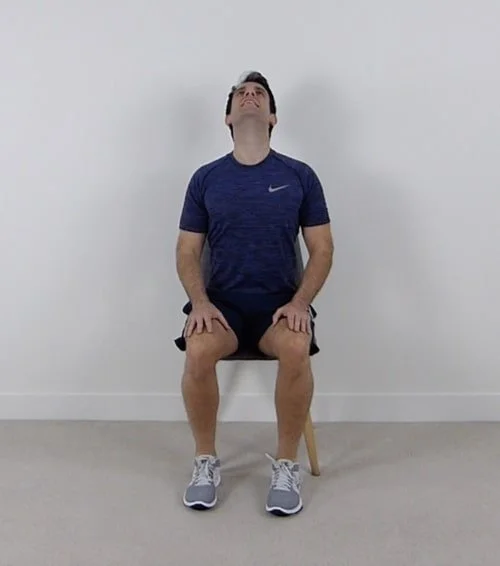
HOLD FOR: 30-60 seconds
WHY THIS IS A GREAT STRETCH FOR SENIORS: All of us spend a lot of our time in a head down tilt, looking at our phones, the ground, a computer screen etc. We don’t spend much time looking up, stretching out the front neck muscles and keeping the neck moving well.
For Video Demonstration of This Exercise: Click here.
2. STRETCH 2: CHEST (+ POSTURE) STRETCH
HOW TO:
Sitting up tall in your chair with your shoulders back and down.
Place your arms up straight up in front of you, parallel to the floor.
Now bring your arms out to the side, pulling as farm back as you can and squeezing your shoulder blades together, whilst maintaining that upright posture.
If you have difficulty holding your arms at 90 degrees (or parallel to the floor) you can hold your arms lower (45 degrees).
Hold for the set time.

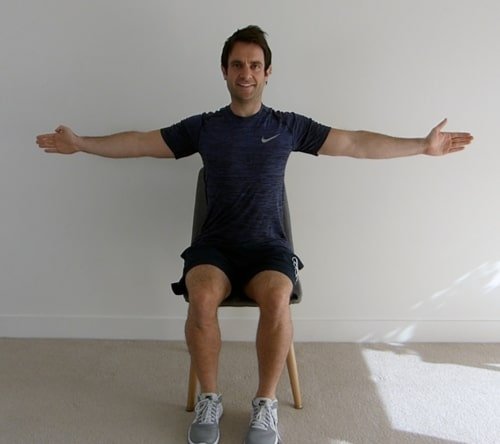

HOLD FOR: 30-60 seconds
WHY THIS IS A GREAT STRETCH FOR SENIORS: A great stretch to help open up the chest and improve posture.
For Video Demonstration of This Exercise: Click here.
STRETCH 3: THORACIC EXTENSION (UPPER BACK) STRETCH
HOW TO:
Sitting up tall in your chair with your shoulders back and down.
Now place your hands behind your head, maintain an upright posture and extend your upper back over the chair. (If you have difficulty placing your arms behind your head, place them across your chest).
Hold for the set time.


HOLD FOR: 30-60 seconds
WHY THIS IS A GREAT STRETCH FOR SENIORS: A great stretch for the upper back which also helps with rounded shoulders, improving posture.
For Video Demonstration of This Exercise: Click here.
STRETCH 4: SHOULDER & ARM OVERHEAD STRETCH
HOW TO:
Sitting up tall in your chair with your shoulders back and down.
Interlace your fingers and bring your arms up above your head.
Now turn your palms away from you, towards the ceiling and push up as far as you can.
Hold this movement for the set time, feeling the stretch in your shoulders and your sides.
HOLD FOR: 30-60 seconds


WHY THIS IS A GREAT STRETCH FOR SENIORS: A great stretch that utilises the full range of motion in the shoulders, helping to keep them healthy. Also, this stretch, stretches the arms and muscles of the back surrounding the spine.
For Video Demonstration of This Exercise: Click here.
STRETCH 5: LUMBAR EXTENSION (LOWER BACK) STRETCH
HOW TO:
Sitting up tall in the middle of your chair with your shoulders back and down.
Place the palms of your hands in the small of your back and lean your lower back into your hands, feeling a stretch in your lower back. (If you have difficulty getting your palms around to the small of your back, use the backs of your hands).
Hold for the set time.


HOLD FOR: 30-60 seconds
WHY THIS IS A GREAT STRETCH FOR SENIORS: We spend a lot of time in our day in a forward position and also a slouched position when seated. This stretch helps stretch out the lower back in a way we usually don’t. Which helps relieve tension in the lower back.
For Video Demonstration of This Exercise: Click here.
STRETCH 6: STANDING QUADRICEPS (FRONT OF THIGH) STRETCH
HOW TO:
Standing up tall next to your chair, holding onto your chair with one hand.
Bring one leg behind you, holding onto your foot.
Ensure you maintain your straight posture throughout the exercise and try to keep your knees next to each other
Hold for the set time and change legs.


HOLD FOR: 30-60 seconds
WHY THIS IS A GREAT STRETCH FOR SENIORS: Although a more difficult stretch, this is a great stretch to stretch out the large muscles at the front of the thighs which commonly become tight. This exercise can also be done in side-lying, on a firm bed, if standing is too difficult.
For Video Demonstration of This Exercise: Click here.
STRETCH 7: HIP FLEXION (BUTTOCKS) STRETCH
HOW TO:
Sitting up tall with your shoulders back and down.
Lift one leg up to your chest, bending at the knee, and hug the leg.
Hold for the set time and change legs.
Ensure your shoulders are back and down throughout the exercise.
Hold for the set time and change legs.
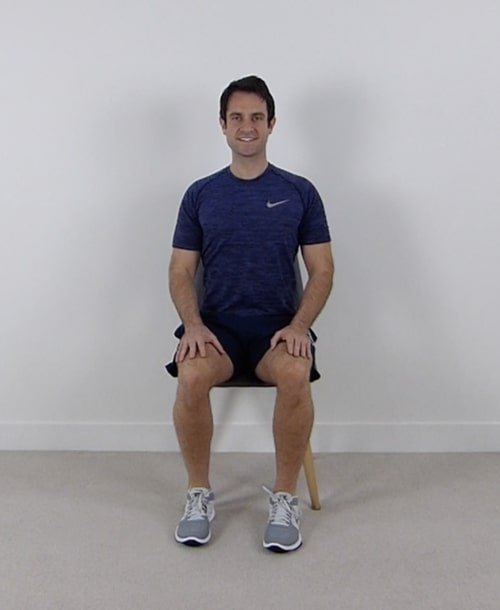

HOLD FOR: 30-60 seconds
WHY THIS IS A GREAT STRETCH FOR SENIORS: A simple stretch to stretch out our buttocks, which can hold a lot of tension.
For Video Demonstration of This Exercise: Click here.
STRETCH 8: STANDING (OR SEATED) HAMSTRING (BACK OF LEGS) STRETCH
HOW TO:
Sitting up tall in your chair, shuffle to the front of your chair
Keeping your hands on the opposite leg, place one leg out in front of you
Now keep your leg straight and point your toes towards the ceiling
Ensure you remain upright with a straight back and lean forward at the hips
Hold for the set time and change legs.


HOLD FOR: 30-60 seconds
WHY THIS IS A GREAT STRETCH FOR SENIORS:
For Video Demonstration of This Exercise: Click here.
For Video Demonstration of This Exercise in Standing Position: Click here.
STRETCH 9: STANDING ADDUCTOR (GROIN) STRETCH
HOW TO
Standing tall, take one large step out to the side and face your toes outwards.
Shift your weight to one side, bending that knee.
You will feel a stretch on the inner thigh of the straight leg.
Keep a chair in front of you when performing this exercise.
Hold for the set time and repeat on the opposite leg.


HOLD FOR: 30-60 seconds
WHY THIS IS A GREAT STRETCH FOR SENIORS:
For Video Demonstration of This Exercise: Click here.
STRETCH 10: STANDING CALF (BACK OF LOWER LEG) STRETCH
HOW TO:
Standing tall holding on to your chair with both hands, step one foot back making sure your toes are facing forward throughout the exercise.
Now bring your front knee towards the chair ensuring that your heels remain in contact with the floor at all times.
Hold for the set time and change legs.


HOLD FOR: 30-60 seconds
WHY THIS IS A GREAT STRETCH FOR SENIORS:
For Video Demonstration of This Exercise: Click here.
Stretching Routine For Seniors | A Complete Program
Here is a static stretching routine with the best dynamic stretches to help you improve your flexibility.
I have also created other stretch videos you can follow to help improve your flexibility. Here is an Upper Body Stretch Video (click to access) and here is a Lower Body Stretch Video (click to access).
The Best Dynamic Stretches For Seniors - Dynamic Stretche Routine For Seniors
Here is a dynamic stretching routine with the best dynamic stretches to help you improve your flexibility.
Stretching Exercise Videos
For more stretching videos click each video below or here for more.
4 - OTHER FACTORS TO CONSIDER
Mindfulness and Improving Flexibility.
Before we finish up this guide, there is another important, and often neglected, part of improving flexibility (and our health) which I wanted to touch on.
That part is working on our mental health! Or, in simpler terms decreasing the stress, we are under.
Our mental health has a great impact on our physical self. There is a strong connection between our bodies and our minds, and more and more people are starting to recognise this!
Scientific studies clearly show a strong correlation between stress and inflammation.
Conditions such as anxiety and depression, which generate high levels of stress are known to cause a biological response, elevating stress hormones and causing inflammation in our bodies.
Muscle tension causes the joints to stiffen up, making it more difficult to stretch, exercise and move altogether.
Working on minimising our stress levels by avoiding high-stress environments and taking time out daily to work on mental well-being, can do a great deal in improving your health and flexibility.
Through my continual learning of health and practice as a Physiotherapist, the more I see of the importance of eradicating stress for good health, through whichever way possible.
I also believe every one of us should practice a form of mindfulness to get on top of our stress levels and into good health.
Even something as simple as spending an hour a day doing the things you love, or spending time with people that make you feel good, can greatly affect your mood and help with reducing stress.
Once you manage to keep the stress levels under control or find a way to eradicate it, you’re going to be causing much less tension in your body.
With less tension comes that feeling of lightness, greater ease of movement, greater flexibility and the many other health benefits that come along with this.
As with the exercise, start incorporating a mindfulness practice into your life, and stay consistent. :)
ENDING NOTE
You now have ALL the tools to regain your flexibility.
There is a lot here to take in and do, but keep it simple, stay consistent and always keep progressing. These are the keys to success.
Don’t overcomplicate it, or overwhelm yourself by doing all the stretches you can in the thought of “more is better”! It’s not!!
Choose one of the full-body stretching videos and add it into your regular exercise routine.
Or, start by choosing the area you want to improve first and work on that.
Remember, movement is medicine. So when you get moving more and add in 10-20 minutes of stretching each day, (or at least three days a week), it won’t be long before you start seeing big improvements in your flexibility.
You’ll feel yourself moving around much easier in your day to day life and any pain you had easing up.
You’ll be able to reach for items in those hard to reach places.
You’ll start to see all of the many benefits that come with improved flexibility.
You’ll start feeling like a younger version of you!
Stay positive on the journey to a fitter, healthier and more flexible you.
Stay happy!
And keep on moving and stretching!
It won’t be long until you’ve regained your flexibility, and more!
Further references:
4. Smith, E.L. Exercise in the elderly to prolong and improve the quality of life. In: Future Directions in Exercise and Sport Science Research.J.S. Skinner, Et Al. Champaign, IL: Kinetics, 1989. pp. 259–266. 5. Adrian, M.J. Et Al Flexibility in the Aging Adult. In: Exercise and Aging: The Scientific Basis., eds. Hillside, NJ: Enslow, 1981. pp. 45–47. 6. Anderson, B., J.E. Beaulieu, W.L. Cornelius, R.H. Dominguez, W.E. Prentice, and L. Wallace. Flexibility. Natl. Strength Cond. Assoc. J. 10–22, 71–73. 1984.7. Heyward, V.H. Advanced Fitness Assessment and Exercise Prescription. (2nd ed.). Champaign, IL: Human Kinetics, 1984.9. Buccola, V.A., and W.J. Stone. Effects of jogging and cycling programs on physio- logical and personality vari- ables in aged men. Res. Q. Exerc. Sport. 46(2):134–139. 1975. 15. Medicine ACoS ACSM's guidelines for exercise testing and prescription. 7th ed. Baltimore: Lippincot Williams Wilkins; 2006 
Low-sugar Chocolate Protein Balls for Seniors: Easy No Bake Recipe
This recipe is an absolute favourite of mine for those times when I am trying really hard to be healthy but have a chocolate craving. I reckon they are a great substitute for chocolate, in fact, I think I prefer them to chocolate. They are sweet and chocolately, rich and filling BUT they are healthy- full of good fats, and protein and healthy vitamins and mineral antioxidants.
Beat sugar cravings with this healthy protein snack!
[This was originally posted in the More Life Health Seniors Community (click to Join), by my sister Lexie].
How are you all? For those who don't know me, I'm Michael's big sister. I've been a bit quiet on here of late because my son, Lachlan, started school this year and my younger son, Joshua, started pre-school and I picked up extra hours at work. So life has been busier but all is going well. I hope you are all well too and keeping as active as possible.
Earlier in the week, Mike said I would post a recipe and here it is:
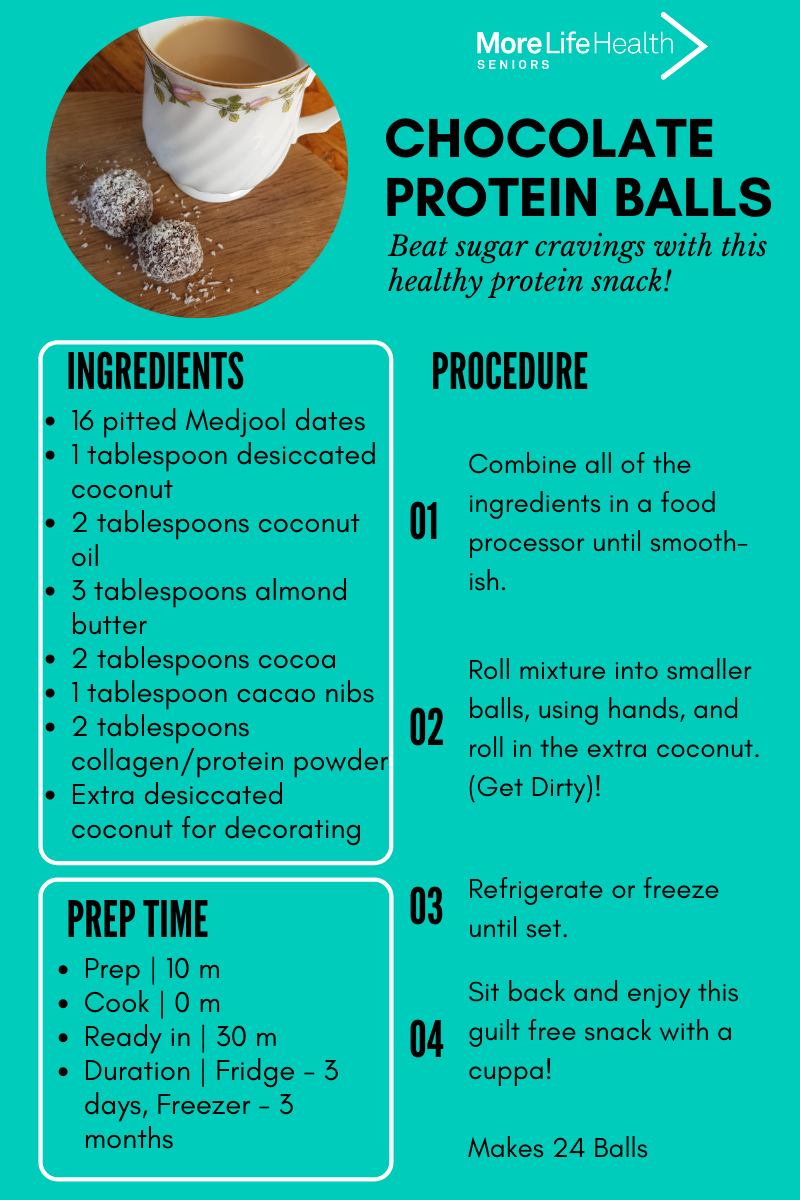
CHOCOLATE PROTEIN BALLS
PREP TIME
Prep | 10 m
Cook | 0 m
Ready in | 30 m
Duration | Fridge - 3 days, Freezer - 3 months
INGREDIENTS

16 pitted Medjool dates
1 tablespoon desiccated coconut
2 tablespoons coconut oil
3 tablespoons almond (or other nut) butter
2 tablespoons cocoa
1 tablespoon cacao nibs
2 tablespoons collagen/protein powder
Extra desiccated coconut for decorating
PROCEDURE:
Combine all of the ingredients in a food processor until smooth-ish.
Roll mixture into smaller balls, using hands, and roll in the extra coconut. (Get Dirty)!
Refrigerate, or freeze, until set.
Sit back and enjoy this guilt free snack with a cuppa!
Makes 24 Balls
And that’s all there is to it!
It's an absolute favourite of mine for those times when I am trying really hard to be healthy but have a chocolate craving.
I reckon they are a great substitute for chocolate, in fact, I think I prefer them to chocolate. They are sweet and chocolately, rich and filling BUT they are healthy-full of good fats, protein and healthy vitamins and mineral antioxidants.
I make a batch and freeze them. Then, when I have a craving for something sweet, I pull one (or 2 😆) out of the freezer to have with a cup of tea.
You can play around with the recipe, for example- you don't need to add cacao nibs or you can use any nut or nut butter/spread of your choice etc.
Enjoy! 😊

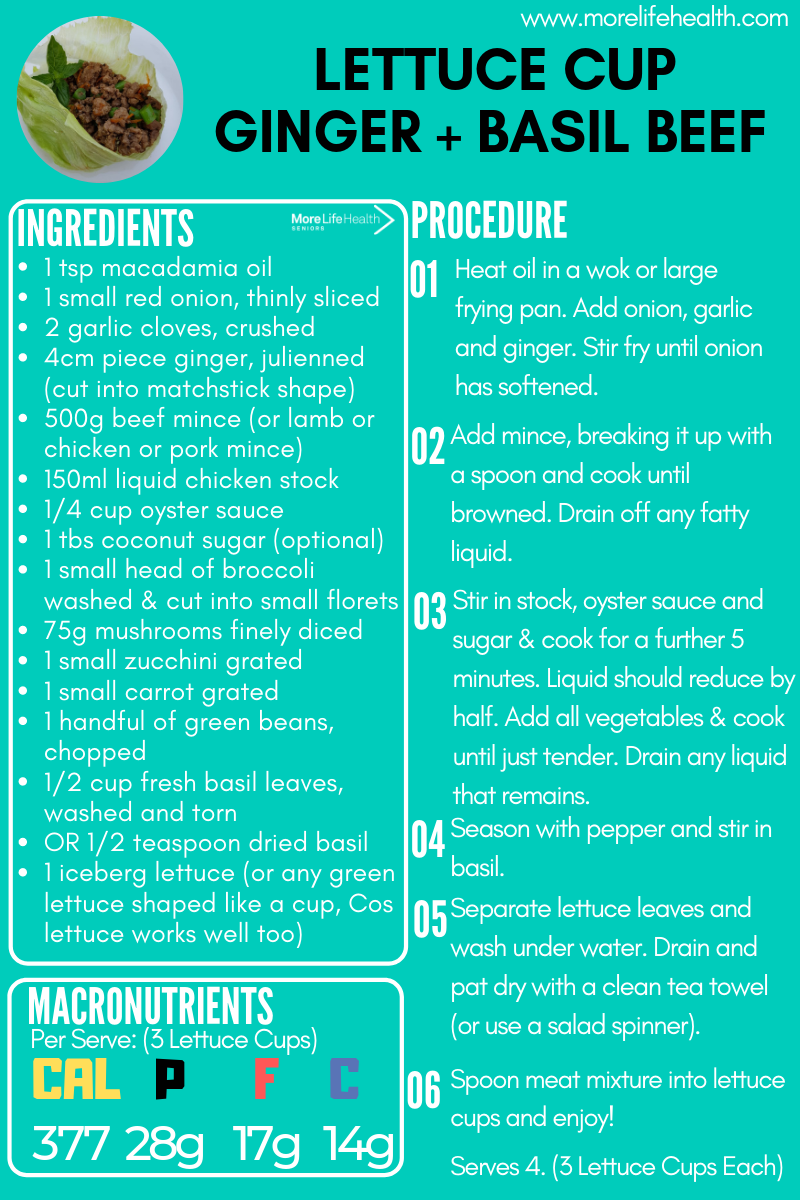
Lettuce Cup, Ginger & Basil Beef
This is a favourite dinner in my household. It's full of flavour, packed full of veggies, is high in protein and super easy to prepare.
A big hello to all here in the MLHS community.
I have another recipe for you all to try. This is a favourite in my household. It's full of flavour, packed full of veggies, and is high in protein and super easy to prepare.
ginger & basil beef lettuce cup
PREP TIME
Prep | 15 m
Cook | 30 m
INGREDIENTS
1 tsp macadamia oil
1 small red onion, thinly sliced
2 garlic cloves, crushed
4cm piece ginger, julienned (cut into matchstick shape)
500g beef mince (or lamb or chicken or pork mince)
150ml liquid chicken stock
1/4 cup oyster sauce
1 tbs coconut sugar (optional)
1 small head of broccoli washed & cut into small florets
75g mushrooms finely diced
1 small zucchini grated
1 small carrot grated
1 handful of green beans, chopped
1/2 cup fresh basil leaves, washed and torn
OR 1/2 teaspoon dried basil
1 iceberg lettuce (or any green lettuce shaped like a cup, Cos lettuce works well too)
PROCEDURE:
Heat oil in a wok or large frying pan. Add onion, garlic and ginger. Stir fry until onion has softened.
Add mince, breaking it up with a spoon and cook until browned. Drain off any fatty liquid.
Stir in stock, oyster sauce and sugar & cook for a further 5 minutes. Liquid should reduce by half. Add all vegetables & cook until just tender. Drain any liquid that remains.
Season with pepper and stir in basil.
Separate lettuce leaves and wash under water. Drain and pat dry with a clean tea towel (or use a salad spinner).
Spoon meat mixture into lettuce cups and enjoy!
Serves 4. (3 Lettuce Cups Each)
MACRONUTRIENTS
Per Serve: 3 Lettuce Cups
Calories: 377
Protein: 28g
Fat: 17g
Carbohydrates: 14g
Please note, the macronutrients shown may vary depending on exact ingredients used. Please also keep in mind that the fat content reduces significantly depending on the type of meat you use and if you drain off all the fat as per the method.
Enjoy!
Lexie (Mike's Sister) xo
Complete Seated Body Workout For Seniors (25 Mins)
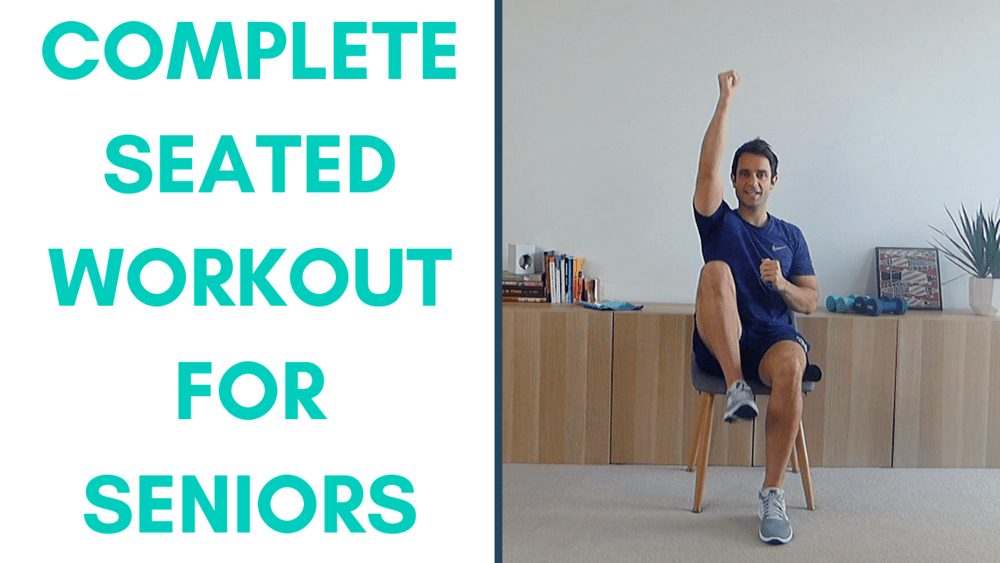
Get moving with this 25-minute workout for seniors which works your whole body.
There is a quick break halfway through this video. If you need to have a break, pause the video before you get back into it. As you continue with these workouts, you will be feeling less of a need for a break.
25 Minute Seated Workout For Seniors - Seniors Chair Exercises
Get moving with this 25-minute workout for seniors which works your whole body.
There is a quick break halfway through this video. If you need to have a break, pause the video before you get back into it. As you continue with these workouts, you will be feeling less of a need for a break.
Make sure you do the warm-up before beginning. Seated Warm-Up.
WORKOUT FOR SENIORS (25 Mins)
Upright rows x 12
Seated One-Arm Row - x 12 Each Arms
Toe Raises into Heel Raises - x 12
Knee extensions with slow tempo and holds x 8
Shoulder Rolls
Knee extensions 3 x 5 seconds, 2x 3-second holds, 1x 7 seconds, 1x 4 seconds
High knee Marching - 30 seconds
Knee flexions x 10 each leg
Opposite arm opposite leg lifts
Reaction time work
Same side arm and leg lifts - 60 seconds
Break
Upright Rows x 12
Seated One-Arm Row - x 12 Each Arms
Heel Raises - x 12
Toe Raises - x 12
Knee extensions 4-second holds
Double knee extensions x 12
Double knee flexions x 12
Reaction Time
Bicep Curls x 12
Shrugs into bicep curl into press x 5

Do your best and any questions ask below!
- Mike

14 Minute Exercises For Seniors! | Seniors' Chair Exercises
Here is a workout, working our whole body with some balance, reaction time and some stretching work also.
We get straight into the exercises today. Make sure you do either the seated or standing warm-up before beginning.
Full body workout for seniors - seniors chair exercises
Here is a workout, working our whole body with some balance, reaction time and some stretching work also.
We get straight into the exercises today. Make sure you do either the seated or standing warm-up before beginning.
Standing Warm-Up: https://youtu.be/b2DYU7ZQgN0
Seated Warm-Up: https://youtu.be/nfGWaRoKr7k
WORKOUT FOR SENIORS (14 Mins)
Seated Hip Flexions x8 each leg
Seated Knee Extensions x8 each leg
Seated Shoulder Press x 8
Seated Bicep Curl into Shoulder Press x8
Seated Shoulder Roll x 10
Standing Chair Push Up x 8
Standing Hip Extensions x 8 each leg
Standing Bent Over Rows x 8
Squats x 8
Balance - Feet Together - Eyes Closed - 60 seconds
Lateral Steps - x 8 each way
Reaction Time Exercises
Shoulder/ Arm and Spine Stretch - 30 seconds
Hamstring Stretch - 30 seconds Each Leg

Do your best and any questions ask below!
- Mike
3 Stretches For Sciatic Pain For Seniors | Dealing With Sciatica
I had a fair few people over the last weeks asking me for advice for sciatic pain.
With any pain, it's important you focus on not only exercises/stretches but other aspects of good health.
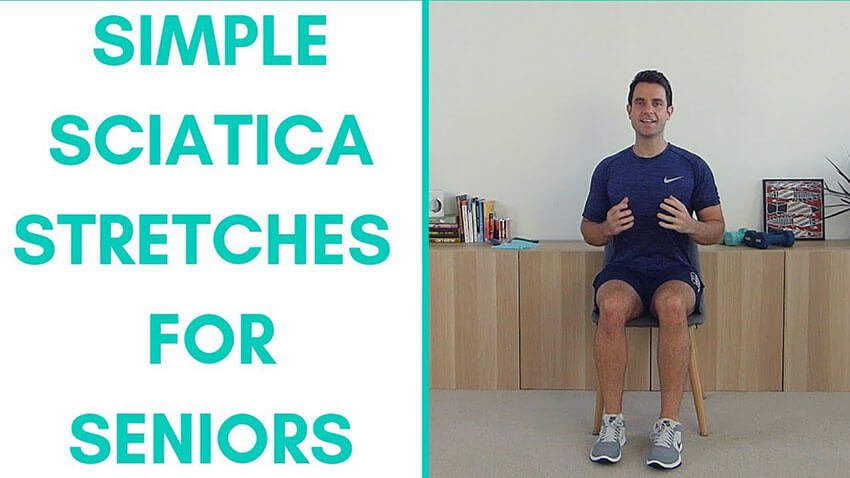
In this video, I show you 3 of my favourite stretches for sciatic pain and also discuss other aspects of your health to have a think about.
I had a fair few people over the last weeks asking me for advice for sciatic pain.
With any pain, it's important you focus on not only exercises/stretches but other aspects of good health.
In this video, I show you 3 of my favourite stretches for sciatic pain and also discuss other aspects of your health to have a think about.
Understanding Sciatica in Seniors
Sciatica isn't just a fancy word; it's a real pain - quite literally! It happens when the sciatic nerve, which runs from your lower back down each leg, gets pinched or irritated. Ouch!
For seniors, this can be a bit more common. Why? Well, as we age, our bodies go through changes. Things like spinal disc degeneration or arthritis can make seniors more susceptible to sciatica. The symptoms? They're not exactly a walk in the park: sharp pain, numbness, or a tingling sensation that travels down the leg.
But fear not! Understanding is the first step in managing sciatica. Recognising these symptoms early and consulting with a healthcare professional can really make a difference. Remember, sciatica's bark can be worse than its bite, especially if you catch it early and treat it right!
Do's and Don'ts When Exercising with Sciatica
Exercising with sciatica can feel like navigating a minefield. But don't worry, I've got your back (pun intended) with some do's and don'ts:
Do's:
Do start slow: Gentle exercises are your friends. Think about low-impact activities like walking or water aerobics.
Do focus on stretching: Stretching can be a godsend for relieving sciatic nerve pain. Think about yoga or simple stretches that target the lower back and legs.
Do strengthen your core: Strengthening exercises for your abdomen and lower back can help support your spine, taking some pressure off the sciatic nerve.
Don'ts:
Don't overdo it: Listen to your body. If an exercise causes pain, stop immediately.
Don't ignore pain: Pain is your body's way of saying, "Hey, something's not right here!" Pay attention to it.
Don't skip warm-ups: Jumping into exercises without warming up is like driving a car without oil - not a good idea!
Remember, when it comes to exercising with sciatica, it's not about being the fastest or the strongest; it's about being smart and safe.
Lifestyle Tips for Managing Sciatica
Now, let's talk about lifestyle changes that can help manage sciatica. It's not just about exercise; it's about how you live your day-to-day life.
Watch your posture: Whether you're sitting, standing, or lifting something, good posture can reduce pressure on your sciatic nerve. So, sit up straight and lift with your legs, not your back.
Stay active: It might sound counterintuitive, but staying active is key. Regular movement can help reduce inflammation and pain. Just be sure to choose low-impact activities.
Mind your weight: Maintaining a healthy weight helps reduce the strain on your spine. Plus, eating healthily has its own bunch of benefits, including feeling great!
Get a good night's sleep: Investing in a supportive mattress and finding a sleeping position that reduces pressure on your sciatic nerve can work wonders.
Stay hydrated: Drinking plenty of water helps keep the tissues around the sciatic nerve hydrated and healthy.
By incorporating these simple lifestyle tips into your daily routine, you can take a proactive stance against sciatica. It's all about making small changes that add up to a big difference in how you feel. So, here's to taking control and living your best life, sciatica or not!
Do your best and any questions ask below!
- Mike

Learning For a Sharper Mind & To Improve Memory!
It's Never Too Late To Learn Something New!
Remember this line, when you want to try something new and stop yourself!
“Everything that you can see happen in a young brain can happen in an older brain. The only requirement is that the person must have enough of the reward, or punishment, to keep paying attention through what might otherwise be a boring training session.” If so, the changes can be every bit as great as the changes in a newborn.“ ` Norman Doidge - The Brain that changes itself
importance of a sharp mind for seniors
It's Never Too Late To Learn Something New!
Remember this line, when you want to try something new and stop yourself!
I feel it’s very important to always be learning and trying new things, no matter your age!
Each year I always plan to try a new activity/skill and get reasonably good at it… My last was rock climbing, which you all know what happened with that :).. But I don’t plan to stop setting goals to try something new each year!!
Learning something truly new with good focus can keep your minds sharp.
It will allow you to lay down new memories and have a system that can easily access and preserve the older memories.
So along with the exercises, if you aren’t already… Why not learn a new skill which will sharpen up the mind?
It’s been shown that learning a new language, although not so easy, is great to sharpen up the mind.
I’ve always wanted to be bi-lingual, so I think my next goal is to become conversationally fluent in Italian.
Or why not learn a NEW dance. Notice I emphasise “NEW” …. Just doing the dances you learnt years ago won’t help your brains motor cortex stay in shape, so get moving with a NEW dance! (I’d make dance videos………….. but I’m yet to get good at dancing) 🕺😀
There are A TONNE of new hobbies out there you can try (and If you have any ideas for the group, post them below)
Don’t think those days are behind you.. Or that you can’t do it. You can!! Know that it's never too late!
“Everything that you can see happen in a young brain can happen in an older brain. The only requirement is that the person must have enough of the reward, or punishment, to keep paying attention through what might otherwise be a boring training session.” If so, the changes can be every bit as great as the changes in a newborn.“
Find something you’ve always wanted to do and do it! :)
Is there something you’ve always wanted to learn? Are you learning something new at the moment? Or do you have any ideas for new hobbies/skills? Let me know! 👇
[Reference: “Brain That Changes Itself - Norman Doidge]

Calcium in Older Adults: How Much Calcium Should You Get?
Calcium is a mineral seen in high amounts in... Yep, you guessed it! Our dairy products (our milk, cheeses and yoghurts).
Calcium is important for healthy bones and healthy teeth. It also plays a crucial role in other bodily systems, such as our nervous system and the proper functioning of our muscles.
Calcium is important in the role of falls, to keep our muscles strong, help us move more efficiently and keep our bones strong.
FIRST PUBLISHED: 03/05/2019. LAST UPDATED: 03/7/2022
How Much Calcium Do SENIORS Need?
Calcium is a mineral seen in high amounts in... Yep, you guessed it! Our dairy products (our milk, cheeses and yoghurts).


Calcium is a mineral seen in high amounts in... Yep, you guessed it! Our dairy products (our milk, cheeses and yoghurts).
Calcium is vital for healthy bones and healthy teeth. It also plays a crucial role in other bodily systems, such as our nervous system and the proper functioning of our muscles.
Our average weight is made up of about two per cent calcium. This calcium is primarily found in our bones and teeth. The rest is stored in our blood and tissues.
Low calcium intake is linked to osteoporosis, a low bone density condition most commonly seen in post-menopausal women.
It’s clear we are not getting enough calcium. Over half of the Australian population, aged two years and over had inadequate intakes of calcium.
This prevalence of inadequate calcium intake was higher amongst females than males, with almost three in four aged two years and over (73%) not meeting their calcium requirements compared with one in two males of the same age group (51%). [1]
Calcium is important in preventing falls, keeping your muscles strong, helping you move more efficiently and maintaining your bone strength.
HOW MUCH CALCIUM SHOULD OLDER ADULTS GET
According to the National Health and Medical Research Council, our recommended dietary intake (RDI) of calcium should be:
Women 50+ and men 70+: 1300mg/day
All other adults: 1000mg/day
WAYS TO GET MORE CALCIUM IN YOUR DIET
It is much better to get calcium from foods than from calcium supplements. Be guided by your doctor about whether you need additional supplements. As with any minerals, too much calcium can cause health issues.
CALCIUM-RICH FOODS
Milk, yogurt, cheese, canned salmon or sardines which contain bones rich in calcium, broccoli, mustard cabbage, Bok Choy, silverbeet, cucumber, celery and chickpeas
If you find it hard to get adequate doses of calcium, a natural way to get calcium is using a food product that you may dispose of regularly. That is eggshells.

Eggshells are a rich source of calcium carbonate (a form of calcium commonly found in dietary supplements); they also have a little strontium and some other bone-protective nutrients.
Using eggshells as a calcium supplement involves crushing the eggs into a fine powder. TO FIND OUT HOW TO MAKE EGGSHELL POWDER, CLICK HERE.
Ensure you are getting calcium-rich foods to improve your health, decrease falls risk and keep your bones strong. But make sure to not overdo it.
References:

Seated Warm-Up Routine For Seniors | (Do before undertaking exercise)
As promised a seated warm-up routine for those who do seated exercises.
Before undertaking any exercise routine, it's important to ensure our bodies are adequately warmed-up.
By doing this we can get ourselves ready for the exercise, prevent any injuries and also get more out of the exercise we do.
WARM-UP ROUTINE FOR SENIORS (seated) - get moving
As promised a seated warm-up routine for those who do seated exercises.
Before undertaking any exercise routine, it's important to ensure our bodies are adequately warmed-up.
By doing this, we can get ourselves ready for the exercise, prevent any injuries and also get more out of the exercise we do.

Perform this warm-up each time you perform a workout video or get out and moving!
Enjoy and Have Fun!
- Mike
13 Minute Arms, Shoulders & Legs Exercises For Seniors! | Seniors' Chair Exercises
This week we did a workout, working our arms, shoulders. legs and also working on our fitness.
arm, shoulder & leg exercises for seniors - improve your fitness
Here is a workout working our arms, shoulders, legs and also working our fitness.
(To get straight into the exercise go to 0:55).
Seated Workout For Seniors (13 Mins)
Bicep Curls x 8 (0:55)
Shoulder Flexions x 8 (1:30)
Bicep Curl Into Shoulder Press x 8(2:05)
Shoulder rolls x 8 (2:50)
Seated Rows 8x 3 second holds (3:10)
Punching - 40 seconds (4:12)
Shoulder flexion/adduction x 8( 4:54)
Shoulder flexions x 8 (5:54)
Bicep Curl into shoulder press x 8 (6:20)
Shoulder Rolls x 8 (6:50)
Seated Rows 8x 3 seconds holds (7:08)
Calf raises 8 x 3 second holds (7:55)
Side stepping + with arms (8:40)
High Knee Marching (10:00)
Punching - 40 seconds (10:55)
Shoulder rolls x 8 (11:39)
Shoulder flexion/adductions x 5 (11:55)
Punching - 20 seconds (12:18)
Shoulder Rolls x 5 (12:45)

Do your best and any questions ask below.
- Mike
Standing Warm-Up Routine For Seniors | (Do before undertaking exercise)
This week I have decided to create a simple warm-up routine you can follow before undertaking any exercise video or before performing an exercise or physical activity.
warm-up ROUTINE for seniors (standing) - get moving
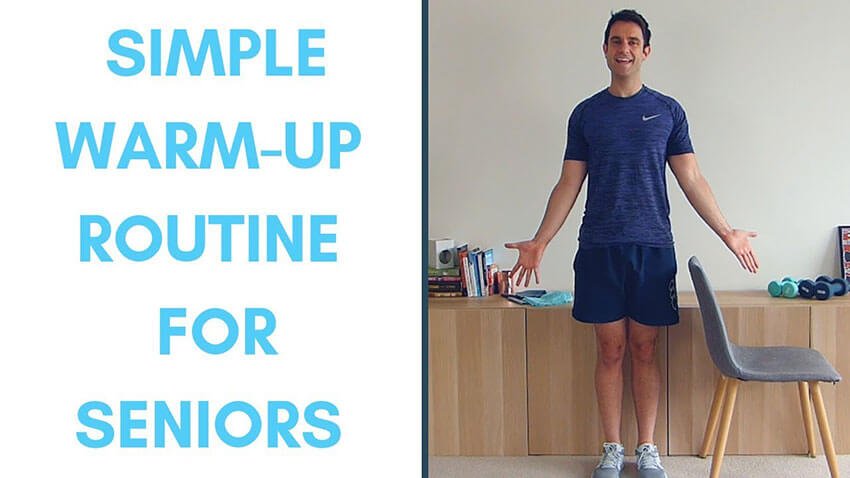
This week I have decided to create a simple warm-up routine you can follow before undertaking any exercise video or before performing an exercise or physical activity.
Before undertaking any exercise routine, it's important to ensure our bodies are adequately warmed-up.
By doing this, we can get ourselves ready for the exercise, prevent any injuries and also get more out of the exercise we do.
Perform this warm-up each time you perform a workout video or get out and moving!
Enjoy and Have Fun!
- Mike
xo

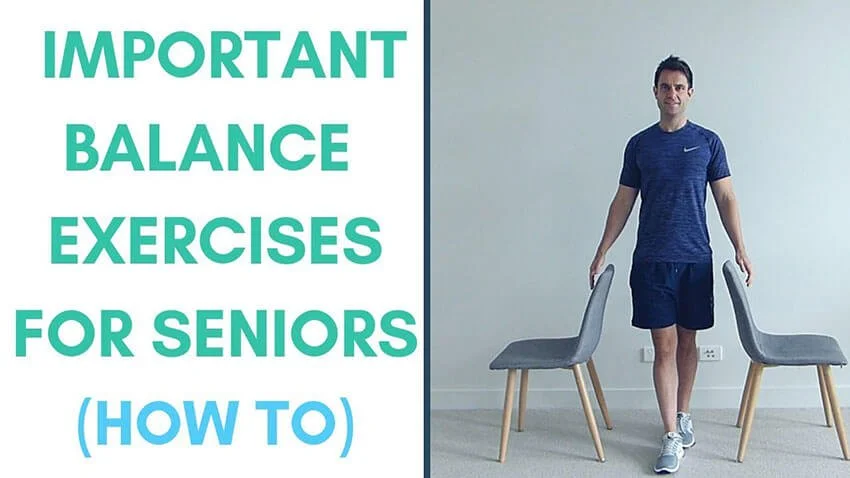
How To Perform The Important Balance Exercises For Seniors
In today's video, I show you how to do 5 important balance exercises which progress in difficulty.
I know everyone who sees this video will have different capabilities, so to accommodate for this, if they are too easy, I show ways to make these exercises more challenging.
Now, on the other hand, some of the exercises may be too challenging...You may look at them and say to yourself "there is no way I can do that, it's too hard!".
But, throw that thought out if you have it! You can do it, just not yet!
How to perform balance exercises for seniors - get great balance
Today I show you how to do five important balance exercises which progress in difficulty.
I know everyone who sees this video will have different capabilities, so to accommodate for this, if they are too easy, I show ways to make these exercises more challenging.
On the other hand, some of the exercises may be too challenging... You may look at them and think, "There is no way I can do that. It's too hard!".
But..... You can do it, and if you can't..... just not yet!
It is possible, and the way to get there is to break down the exercises for YOUR capabilities. No one else's... Yours! And start from there.
The next step is to stay consistent with the balance practice and continually challenge yourself by progressing the exercise.
If you can't do one of the exercises as shown, I also show how you can make the exercises easier at the end of the video.
When you can make the exercises easier, you can start practising the exercises for the level you are at and then progress from there.
Here is a diagram of how to progress your balance.
Eventually, more challenging exercises will be easy, and you'll see significant improvements in how you move and feel daily.
Having good balance can ensure you are moving well and can help prevent falls... So let's start practising it now.
(CLICK THE PICTURE BELOW OR HERE TO GET MOVING WITH ME AND LEARN THE IMPORTANT EXERCISES FOR THE UPPER BODY)
START BALANCING THE BEST YOU CAN!
Learn these exercises and start practising them each week. Over time, progress the exercises using what I describe in the video and watch how good your balance gets.
This is the best thing you can do to ensure that you move well and prevent falls from happening to you.
Enjoy the video. Enjoy your day, and keep moving!
- Mike
Hand, Wrist & Elbow Exercises For Seniors
This week we are working on the hands, wrist and elbows. This workout will help with hand function and finer movements of the fingers. It can also help relieve arthritic hand and finger pain.
This week we are working on the hands, wrist and elbows. This workout will help with hand function and finer movements of the fingers. It can also help relieve arthritic hand and finger pain.
Enjoy the Video:

(To get straight into the exercise go to 1:26 minutes).
HAND AND ARM EXERCISES FOR SENIORS
Ball Squeezes x 5
Assisted Finger abductions stretch x 5 seconds each section each hand
Hand Open/Closes - x 10
Thumb Flexions x 10
Wrist flexion/extensions 10 seconds each arm
Wrist radial/ulnar deviation x 5 each arm
Elbow flexion/extension x 10
Elbow Pronation/supination x 10
Have fun and don't over do it! Also if you have trouble doing these exercises with your arms raised, there is no reason why you can't do them with your arms down.
See you next time!
- Mike

Seated Hip Exercises For Seniors | Hip Stretches For Seniors
This week we will be working our hips in the seated position
These exercise videos helps stretch and strengthen the muscles of the hips for seniors
seated hip exercises for seniors - stretch, strengthen and relieve hip pain
This week we are working on strengthening and stretching our hips in a seated position.
I know many of you get pain in the hips and these exercises will help!

SEATED HIP WORKOUT FOR SENIORS - ROUTINE
Warmup - Marching on Spot - 30 seconds
Buttocks Stretch - 30 seconds
Adductor (Groin) Stretch - 30 seconds
Hip Flexions x 10 each leg
Straight Leg Raise x 10 each leg
Isometric Hip Adduction - 5x5 second holds
Isometric Hip Adduction - 5x5 second holds
Hip Extension with resistance band x 10
Hip Abduction with resistance band x 10
Hip Flexion with resistance band x 10
(To get straight into the exercise go to 35 seconds).
Enjoy the exercise and let me know how you go!
- Mike
Neck Exercises For Seniors / Neck Stretches For Seniors (Includes Video)
This week we will be working our neck
These exercise videos helps stretch and strengthen muscles surrounding the lumbar spine, and will also help decrease lower back pain.
Neck exercises for seniors - stretch, strengthen & relieve neck pain
NECK EXERCISES FOR OLDER ADULTS
Welcome back to another exercise video. In this video, I take you through some simple neck exercises to help stretch, strengthen and relieve pain in the neck.
Check out the video and have fun with the exercises

SENIORS NECK STRETCHES
NECK EXERCISES FOR SENIORS:
Warmup - Backwards Shoulder Rolls- x 10
Neck Extension/Flexion (Up/Down)- x 5 up, x 5 down
Neck Rotations x 5 left, x 5 right
Neck Flexion Stretch x 30 seconds
Neck Extension Stretch - x 30 seconds
Neck Rotation Stretch - 30 seconds each side
Neck Side Flexion Stretch - 30 seconds each side
Backwards Shoulder Rolls- x 10
(To get straight into the exercise go to 30 seconds).
Have fun with the exercises!
Do your best with them, let me know how you go and ask any questions, any time!
You can shoot me an email, or alternatively… Join the Facebook Community.
Stay Active! Stay Happy!
- Mike

FALLS PREVENTION: What To Do If I fall: How To Get Up Off The Floor
After getting a heap of emails, after my last newsletter and workout videos, with many of you saying you aren't confident doing exercises on the floor (in fear of not being able to get back up).
I've decided to create this video on how to get up off the floor. This is so you all know how to get up off the floor safely and in the most efficient way possible in case you need to (I.E you've fallen). Watch the video below.
Falls prevention for seniors - what to do if you fall
This week's video is a little different.
After getting a heap of emails after my last newsletter and workout videos, with many of you saying you aren't confident doing exercises on the floor (in fear of not being able to get back up).
I've decided to create this video on how to get up off the floor. This is, so you all know how to get up off the floor safely and in the most efficient way possible in case you need to (i.e. you've fallen). Watch the video below.

We want to do what we can to prevent falls as much as possible. That is by getting into good physical shape and putting fall prevention measures in place if need be.
But we still want to live our lives, and ANYONE can have a fall.
How we react after a fall can lead to more injuries than the fall itself.
We absolutely DO NOT want to get into a situation where we have fallen over and can't get up off the floor AND have no way to get help.
If you feel there may be a chance you could get yourself into this unfortunate situation, think of ways how you can be prepared and get help if need be.
This could include carrying a mobile phone on you at all times, having a pendant alarm or keeping a landline phone in every room that would be easier to reach.
You also want to know how to get up off the floor in the most efficient way possible, so memorise this video.
Also, share this video to anyone you feel may benefit from it.
Again... Remember, life is meant to be lived, so once you have a few measures in place, get out there and live it. :)
Any questions, feel free to contact me, by shooting me an email or by asking your questions in the facebook community and for more information on falls, check out the falls prevention section on the More Life Health website here.
Stay tuned for more exercise videos.
Stay Active! Stay Happy!
- Mike
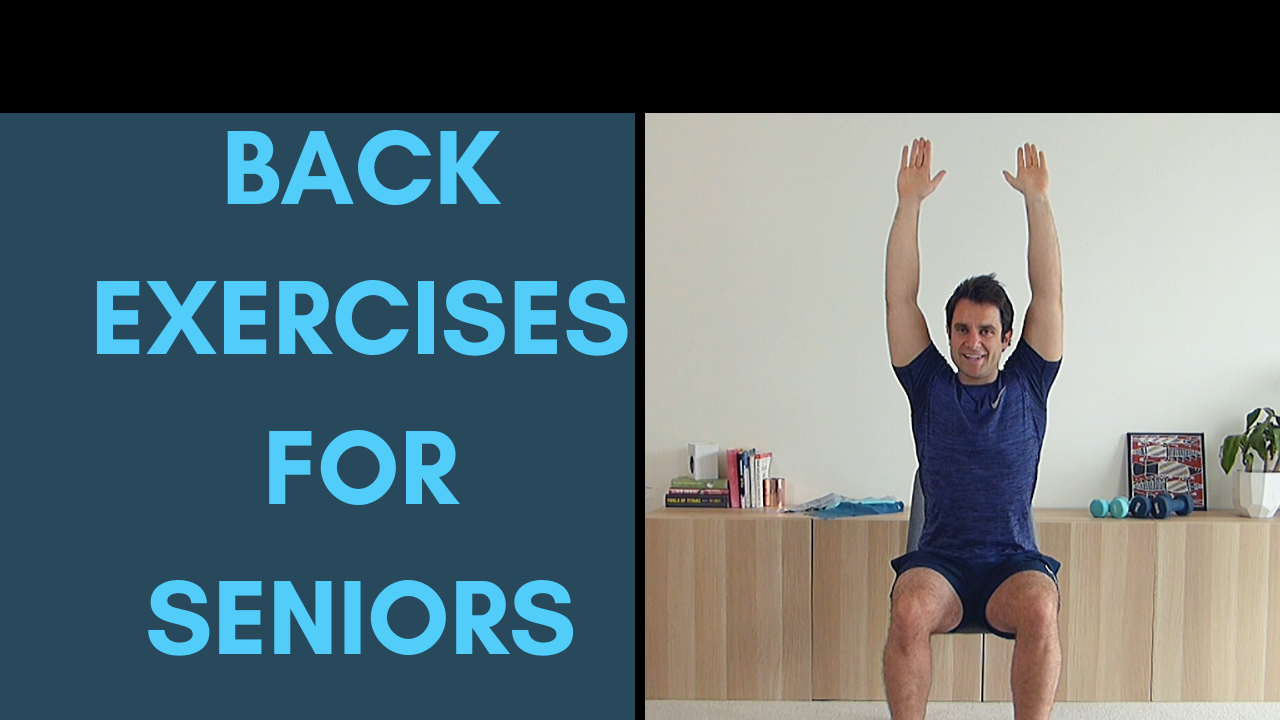
EFFECTIVE LOWER BACK EXERCISES FOR OLDER ADULTS: SAFE AND SIMPLE ROUTINES
This week we will be working the lower back.
These exercise videos helps stretch and strengthen muscles surrounding the lumbar spine, and will also help decrease lower back pain.
This week we will be working the lower back.
Understanding Lower Back Pain in Seniors
These exercise videos helps stretch and strengthen muscles surrounding the lumbar spine, and will also help decrease lower back pain.
In the first video, the exercises are performed in a lying position, we also do some seated stretches, and a standing stretch.
If you have difficulty getting on and off the floor, the lying exercises can be performed on a firm bed or you can follow the second video, which is a completely seated exercise video.
Keep in mind, to overcome lower back pain, doing specific lower back exercises are only 1 part of the equation.
We also want to be improving our overall fitness, improving our strength in our core and also our whole body, improving our posture and eating healthy and decreasing stress. (You can find more in the pain articles).
Benefits of Lower Back Exercises for Older Adults
Let's chat about something super important – the benefits of lower back exercises for our beloved seniors. As we age, our bodies go through changes, and sometimes, our lower back whispers (or shouts) for a bit of extra care.
1. Wave Goodbye to Back Pain: Regular lower back exercises can be a game-changer in reducing pain. It’s like telling those annoying aches, “Nope, not today!”
2. Flexibility is the New Superpower: Remember when bending down felt like a Herculean task? These exercises help in regaining that superhero flexibility, making daily activities a breeze.
3. Strength for Days: Strengthening the lower back muscles is like building a solid foundation for your body. It’s all about being strong and sturdy, making you feel like you can take on the world (or at least lift that grocery bag without a wince).
4. Balance and Stability - Your New Best Friends: With great strength comes great stability. These exercises help improve balance, reducing the risk of falls, and keeping you as steady as a rock.
5. Boosting Your Overall Mojo: Exercise isn’t just about the physical benefits. It’s a mood lifter too! Engaging in regular exercise can keep you feeling positive, energetic, and ready to conquer the day.
Pre-Exercise Safety Tips
Before we jump into these fantastic exercises, let’s put on our safety hats. It’s crucial to ensure that you’re exercising in a way that’s safe and healthy for your body.
1. Chat with Your Doc: Always, always check with your healthcare provider before starting any new exercise routine. They know your health history and can give you the green light to go ahead or suggest modifications.
2. Warm-Up is a Warm Hug for Your Muscles: Don’t dive into exercises cold turkey! A gentle warm-up is like telling your muscles, “Hey, we’re about to get moving, so let’s ease into it.”
3. Listen to Your Body – It’s Smarter Than You Think: If something hurts or feels off, stop and take a breather. Your body knows best, and pushing through pain is a big no-no.
4. Hydration Station: Water is your best friend before, during, and after exercising. Keep sipping and stay hydrated – it’s like giving your body a refreshing little spa.
5. Dress for Success: Wear comfortable clothing and supportive shoes. It’s all about feeling good and moving with ease.
6. Take it Slow: Rome wasn’t built in a day, and neither is fitness. Start slow and gradually increase the intensity of your exercises. It’s a marathon, not a sprint!


LYING/SEATED LOWER BACK EXERCISE ROUTINE:
Exercise: 1: Prone Lumbar Extension (Bent Elbows) - 30 seconds
Exercise 2: Prone Lumbar Extension (Straight Elbows) - 30 seconds
Exercise 3: Cat Stretch - 20 seconds each position
Exercise 4: Glute to Floor Push - 30 seconds
Exercise 5: Glute Bridges x 10
Exercise 6: Glute Medius stretch - 30 seconds each side
Exercise 7: Hamstring stretch - 30 seconds each side
Exercise 8: Standing Lumbar extension - 30 seconds
SEATED BACK EXERCISE ROUTINE:
Exercise: 1: Shoulder rolls x 10
Exercise 2: Spine Extension/Flexion Stretch x 2
Exercise 3: Side Bends x 2 each side
Exercise 4: Hamstring stretch - 30 seconds each sid
Exercise 5: Glute Medius stretch - 30 seconds each side
Exercise 6: Spinal Rotations x 5 each side
Exercise 7: Cat Stretch x 2 - 5 second holds
Exercise 8: Seated Lumbar extension - 30 seconds
Do your best with them, let me know how you go and ask any questions, any time! You can shoot me an email, or alternatively… Join the Facebook Community.
Stay Active! Stay Happy!
- Mike

Exercising Your Brain 🧠/ Memory Exercises for Seniors
We all know it’s important to exercise our body, to keep ourselves functioning well, but do you exercise your brain? 🧠
When we stick to brain exercises consistently, the same changes that occur in a much younger brain (even a newborn brain), when learning something new, can occur in an older brain.
Memory exercises for seniors - improve your memory & increase brain function
We all know it’s important to exercise our body, to keep ourselves functioning well, but do you exercise your brain? 🧠
I wanted to share a great website to get you exercising in a different way, backed with real research and created by neuroscientists.
It has easy to follow FREE exercises to help keep your brain sharp.
Here it is: www.brainhq.com.
There are courses that can improve the following
Focused attention
Increased brain speed
Memory
Alertness
Efficiency for everyday tasks
And even hearing
When we stick to brain exercises consistently, the same changes that occur in a much younger brain (even a newborn brain), when learning something new, can occur in an older brain.
Also, in a study performed on people undertaking the memory exercises on this website (aged between 60 and eighty-seven). After completing the exercises for 8-10 weeks, many turned back their memory clock ten or more years. Some 25 years.
I had a go at the exercises this morning, and it was kinda fun!
Sign up and have a go yourself and let us all know how you went. They also have an app which can be downloaded to your phone or tablet.
Another great way to keep our brain sharp is by learning a language.
What ways do you exercise your brain? You can let us all know in the Facebook Community.