
Upper Body Exercises for Seniors | Arm, Shoulder and Back Exercises For Seniors | More Life Health
In this video, we work the arms, shoulders, upper back and chest, assisting you in improving your strength and range of movement.
Upper Body Exercises For Seniors
Join me (Mike - Physiotherapist) for this upper body exercise video working the arms, shoulders, upper back and chest. Improve your strength and range of movement.
In this video we cover:

Do your best and any questions ask below!
- Mike

Full Body Workout For Seniors - 60 Minutes (Seated & Standing)
Get stronger, fitter, improve your balance, flexibility and more with this 60-minute, full seated and standing workout for seniors, working every area of the body.
FULL BODY WORKOUT FOR SENIORS (SEATED & STANDING)
Join me (Mike - Physiotherapist) for this 60 minute - seated and standing workout for seniors covering everything you need to get stronger, fitter, improve your balance, flexibility and more!
We get straight into it again today and cover the following:

Do your best and any questions ask below!
- Mike

Easy And Delicious Beetroot Dip For A Healthy Snack
Here is an easy beetroot dip recipe that you can use as a condiment, as a snack with veggies or crackers or as a spread on a sandwich or toast. I hope you enjoy it.
Easy and Delicious Beetroot Dip Recipe
For those new to the group, I’m Mike’s sister, Lexie. I’ve been helping Mike over the years with More Life Health and this year, with my youngest having started school, I have a bit more time on my hands so you will see me here more often.
At the end of last year, Mike wrote a fantastic article on blood pressure, “Everything you need to know about Hypertension”. (You can find it here: EVERYTHING YOU NEED TO KNOW ABOUT HYPERTENSION)
For those who have read it, you may recall the one vegetable that stood out among all for its effects in helping to reduce blood pressure and that is the humble beetroot. Well today, I want to share with you some ways to add more beetroot to your diet…
Roasted- Beetroot is wonderful when roasted. Cut it up and add some to your other veggies next time you have a roast dinner.
In salads- Simply grate it and add it to your salad for vibrant colour and added nutrients.
In Spaghetti Bolognese- I know it’s going against tradition, but beetroot adds a delicious sweetness to Spaghetti Bolognese. Simply grate it (I usually use about 1 cup for a serving for 4 people) and add it when you add your tomato passata.
As a snack, condiment or spread- Here is an easy beetroot dip recipe that you can use as a condiment, as a snack with veggies or crackers or as a spread on a sandwich or toast. I hope you enjoy it.
Do you eat beetroot? What are some ways you enjoy eating it?
Lexie


Full Standing Workout For Seniors - 60 Minutes, Intermediate
Get stronger, fitter, improve your balance, flexibility and more with this 60-minute, intermediate, full standing workout for seniors, working every area of the body.
SENIORS’ FULL STANDING WORKOUT - GET STRONGER OVER 60
Join me (Mike - Physiotherapist) for this 60 minute - intermediate, standing workout for seniors covering everything you need to get stronger, fitter, improve your balance, flexibility and more!
In this Workout we cover:
You can use light hand weights or ankle weights with these exercises.

Do your best and any questions ask below!
- Mike

Whole Body Seated Exercises For Seniors - 55 Minutes, Beginner - Exercise Every Area Your Body
Get stronger, improve your flexibility and fitness, move better and feel better with this 55-minute, seated, full chair workout for seniors, working every area of the body.
SENIORS’ 55-MINUTE CHAIR WORKOUT - GET STRONGER OVER 60
Today’s workout is one that I feel is the best completely seated exercise video I have put together to date (without equipment).
Why do I think this? Because it is the most comprehensive, covering almost every exercise one can do whilst seated in a chair.
We cover the following:
Warm Up
Neck Exercises
Shoulder Exercises
Upper Back Exercises
Arm Exercises
Core Exercises
Hip Exercises
Knee Exercises
Stretches for the Whole Body
Relaxation
As you can see, ALL areas of the body are targeted. It is also the longest we have done to date, going for just under 1 hour.
If you are new to exercise this is the video to start at.
If you can only only do exercise whilst seated, this is the one to start at.
If you’re in charge of a class where everyone has different capabilities, this is the video to put on.
If someone you know is losing strength and mobility, this is the one for them to start at. (Make sure to share it with them).
It’s the ultimate seated workout.
And… If you have been exercising for some time, you can do the exercises standing and/or add in hand weights or ankle weights to make it more challenging.
To get moving with me click the video below.

If 55-minutes is too long for you, I have also uploaded a 35-minute version which covers the main exercises. You can find this here.
I hope you enjoy today’s workout!

Full Chair Workout For Seniors (Seated) - 35 Minutes - Exercise Every Area of Your Body
Get stronger, improve your flexibility and fitness, move better and feel better with this 35-minute, seated, full chair workout for seniors, working every area of the body.
Seniors’ 35-minute Chair Workout - Chair Exercises For Seniors - Get stronger over 60
Join me (Mike - Physiotherapist) for this workout covering exercises for every area of your body.
It is a seated beginner workout, it’s a gentle workout, great if you have limited mobility or at risk of falling with standing exercises and a perfect exercise program to get you started with exercise.
Get stronger, improve your flexibility and fitness. Move better, feel better.
This session goes for 35 minutes.
In this workout we cover the following chair exercises for seniors:

Do your best and any questions ask below!
For more exercise videos, including standing exercise videos, click HERE.
- Mike

Seated Stretches For Seniors | 8 Stretches - Every Area (11 Minutes)
In this video, we go through a new seated stretch routine for seniors that includes a stretch for each area of the body.
Seated Stretches For Seniors - Improve Flexibility Over 60
Join me (Mike - Physiotherapist) for this exercise video where we go through a stretch for each area of the body.
In this video we cover:

Do your best and any questions ask below!
- Mike

*NEW* STANDING Warm Up For Seniors (New) | More Life Health
In this video, we go through a new standing warm up routine for seniors to do before undertaking any exercise video or before performing an exercise or physical activity.
Seniors’ Standing Warm Up Routine
Join me (Mike - Physiotherapist) in this simple warm-up routine you can follow before undertaking any exercise video or before performing an exercise or physical activity.
Before undertaking any exercise routine, it's important to ensure our bodies are adequately warmed-up.
By doing this we can get ourselves ready for the exercise, prevent any injuries and also get more out of the exercise we do.
Perform this warm-up each time you perform a workout video or get out and moving!

Do your best and any questions ask below!
- Mike

*NEW* SEATED Warm Up For Seniors | More Life Health
In this video, we go through a new seated warm up routine for seniors to do before undertaking any exercise video or before performing an exercise or physical activity.
Seniors’ Seated Warm Up Routine
Join me (Mike - Physiotherapist) in this simple warm-up routine you can follow before undertaking any exercise video or before performing an exercise or physical activity.
Before undertaking any exercise routine, it's important to ensure our bodies are adequately warmed-up.
By doing this we can get ourselves ready for the exercise, prevent any injuries and also get more out of the exercise we do.
Perform this warm-up each time you perform a workout video or get out and moving!
Do your best and any questions ask below!
- Mike
Inspiring Seniors Health Stories: David’s Story - Avoiding Diabetes - Pre-Diabetic No More
Today I wanted to share with you an email I received from a reader/viewer, David.
David shares how with after his doctor telling him he is borderline diabetic he took charge of his health and fitness and is no longer a pre-diabetic: Enjoy!
“Thanks Mike for forwarding this new exercise program. I have included it in my list of favourites and I shall try it shortly. I already have quite a substantial list of your programs. I use a lot of them on a weekly basis, and I admit that I have quite benefited from many of them. I try to target the ones that help me the most.
I am now 80 years young. Several months ago, my doctor advised me that I had become a borderline diabetic. I was in shock because I had always been in relatively good shape for most of my life. I was blindsided by atrial fibrillations in my mid fifties. The condition was brought under control with meds for a time. I eventually had to be fitted with a pacemaker. that was implanted in 2013. This was a very welcomed procedure, as it then allowed me to resume almost normal daily activities.
When my doctor warned me about the possible nasty effects of full-blown diabetes, he added that with proper "behavior" I could stop it's onset. I told him to be blunt by suggesting a life change that would prevent the necessity of being on meds. Well, he was blunt. He said that I must make a serious effort to reduce my sugar intake, and to get off my "butt", and start doing some serious exercising to reduce my weight and keep it under control.
I started researching the web to find suitable exercises, only to discover that most programs were aimed at body builders. At my age, I had no intention of pursuing programs to develop the "body beautiful". I then stumbled on your site, and immediately started to get serious about becoming healthier so as not to disappoint my doctor. I also embarked on a walking program. Within a few weeks, I was able to walk up to 10 or 12 kilometers per day for five days per week on trails that consisted of hills and stairways. After 6 months my weight had decreased from 172lbs to 150. Subsequent tests revealed that my pre diabetic condition had disappeared.
Thank you, Mike, for helping me save my "butt". I have recommended your programs to some of my "elderly" friends who have found them quite beneficial.
Aside from physical activities, I have also embarked on "mind" stretching programs, to improve mental alertness. I am fluent in French (my mother tongue) and English, and I am starting to learn a third language. I have opted for Italian as it is very close to the French language. I remember a bit of German that I learned in my youth, and some Latin. I have always been an avid reader. I still read both French and English books for two to three hours per day. The reason I mention this, is that mental and physical alertness should go hand in hand.
Thanks again Mike. You have been most helpful.
Sincerely,
Dave”

Full Workout With Stretch Band For Seniors | 40 Minutes | Intermediate
Get stronger, improve your flexibility and fitness, move better and feel better with this intermediate level, full workout for seniors using resistance bands!
Seniors’ Resistance Band Workout - Get Stronger Over 60
Join me (Mike - Physiotherapist) for this full workout using a resistance stretch band. Again we get straight into it today!
To order the resistance band used in this video, click here.
Get stronger, improve your flexibility and fitness. Move better, feel better. This session goes for 35 minutes.
In this Workout we cover:

Do your best and any questions ask below!
- Mike

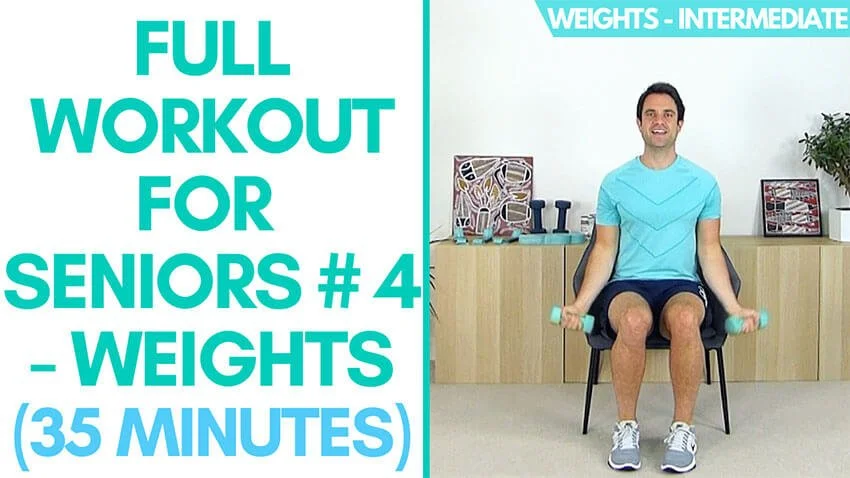
FULL WORKOUT WITH WEIGHTS FOR SENIORS | 35 MINUTES | INTERMEDIATE
Get stronger, improve your flexibility and fitness, move better and feel better with this intermediate level, full workout for seniors using weights!
Join me (Mike - Physiotherapist) for this full workout using weights. Again we get straight into it today!
This workout is for those who have been requesting a longer exercise video with weights and a little more intensity. Make sure to start with lighter weights for this video. If new to weights, I would not recommend starting here, start at my introduction to weights exercise video.
Why Dumbbell Exercises?
Let's take a look at why dumbbell exercises are great, especially for older adults.
First off, dumbbells are like the Swiss Army knife of the workout world – versatile, adaptable, and perfect for a range of exercises. Whether you're looking to strengthen your arms, improve your balance, or even enhance your overall stamina, dumbbells have got your back (and arms, and legs!).
One of the coolest things about dumbbell exercises? They focus on 'functional fitness'. That's a fancy way of saying these exercises help you with everyday activities. Think about lifting groceries, playing with your grandkids, or even gardening. Dumbbell exercises strengthen those muscles you use daily.
And hey, let's not forget about the balance benefits. We're not just talking about standing on one foot kind of balance (though that's great too!). Dumbbell exercises help improve your body's stability and coordination, reducing the risk of falls and injuries – a super important aspect for us as we age.
So, to sum it up, if you're looking for a workout buddy that's flexible, effective, and keeps you safe and strong for your daily hustle, dumbbells are your go-to!
Preparing for Dumbbell Exercises
Alright, let's gear up for some dumbbell action! Before we dive in, let's chat about how to prep for these exercises. Safety first, my friends!
Choose Your Tools Wisely: Not all dumbbells are created equal. Start with a weight that feels comfortable – not too light, but definitely not too heavy. Remember, it's like choosing a dance partner; you want a dumbbell that complements your strength.
Set the Stage: Find a nice, open space free of clutter. No one wants to trip over a rogue cat toy while working out!
Dress for Success: Comfortable clothes and sturdy shoes are key. You don't need fancy gym gear; just wear something that lets you move freely.
Warm-Up Time: Get those muscles ready! A little bit of stretching or a brisk walk can do wonders. Think of it as a 'hello' to your body before you start the workout.
Form is King: Before you start swinging those dumbbells, make sure your form is spot on. This isn't just about looking good; proper form prevents injuries and ensures you get the most out of your exercises.
Hydrate, Hydrate, Hydrate: Keep water handy. Sipping water before, during, and after your workout is like giving your body a high-five for the good work.
Get stronger, improve your flexibility and fitness. Move better, feel better. This session goes for 35 minutes.
In this Workout we cover:
Building a Routine
Now, let's build a routine that feels less like a chore and more like a fun part of your day. Remember, consistency is key, but so is listening to your body. Let's find that sweet spot!
Start Slow: Rome wasn't built in a day, and your workout routine shouldn't be either. Begin with simple exercises, and gradually increase the intensity and duration as you feel more comfortable.
Mix It Up: Variety is the spice of life, and it's true for your workouts too. Try different exercises to work various muscle groups. It keeps things interesting and challenges your body in new ways.
Consistency Counts: Aim to incorporate dumbbell exercises into your routine about 2-3 times a week. It's about making a habit that sticks, so find a time that works best for you and stick with it.
Track Your Triumphs: Keep a workout journal or use an app to track your progress. It's incredibly motivating to see how far you've come.
Listen to Your Body: Some days you'll feel like a superhero, and some days not so much. And that's okay! If your body says 'rest', then rest. It's all about finding a balance.
Enjoy the Journey: Remember, this is your time. Enjoy the process, celebrate your progress, and have fun with it. After all, it's not just about getting fit; it's about enjoying a healthier, more vibrant life!
So there you have it – a guide to get you started with dumbbell exercises. Grab those weights and let's make fitness a joy, not a chore.
Here's to feeling strong, balanced, and fabulous at any age!
Do your best and any questions ask below!
- Mike

Pelvic Floor Health And Exercises For Over 60s: A Complete Guide
Disorders of the pelvic floor, for both women and men, can range from pain, to more embarrassing issues such as inability to control the bladder and/or the bowel (known as incontinence).
Pelvic floor problems do become more common with ageing, however, just like many other problems (such as loss of balance, loss of strength, or falls) pelvic floor issues are also NOT a normal part of ageing.
There are many simple things that can be done to avoid any issues and keep your pelvic floor functioning at its best.
INCLUDES Exercises For The Pelvic Floor
If you’re a woman, you’ve most probably heard of the pelvic floor and know the importance of this area. You may have even been doing pelvic floor exercises for some time now.
If you’re a man, with pelvic floor issues more commonly affecting women, odds are you most probably haven’t heard too much about this before.
Women have a greater need to know of the pelvic floor as womenexperience a lot of stress and changes to the pelvic region throughout their life - during pregnancy, childbirth and menopause, and therefore more susceptibility to pelvic floor issues that need addressing.
However, men too have a pelvic floor and can experience pelvic floor issues as well, usually after surgery to this region.
Disorders of the pelvic floor for both women and men can range from pain to more embarrassing issues such as the inability to control the bladder and the bowel (known as incontinence).
Pelvic floor problems do become more common with ageing, however, just like many other issues (such as loss of balance, loss of strength, or falls) pelvic floor issues are NOT a normal part of ageing.
There are many simple things you can do to avoid any issues and help get your pelvic floor strong and functioning at its best.
In this article, we will cover everything about the pelvic floor, including - for those still wondering - what and where the pelvic floor is.
We’ll explain what happens to the pelvic floor as we get older and go into detail on the common dysfunctions that can occur in this area.
We’ll also introduce some essential exercises to help strengthen the pelvic floor muscles (for both women and men) and look at what you can do to keep this area functioning well so you can go about your days confidently.
Ready? Now let’s get started!
WHAT’S COVERED IN THIS ARTICLE:
WHAT IS THE PELVIC FLOOR
The pelvic floor (sometimes known as the pelvic diaphragm) is a group of muscles located underneath the pelvis that extend around the tailbone to the front of the pelvis (the pubic bone).
The pelvic floor muscles are generally firm and thick.
Although both men and women have a pelvic floor, a woman’s pelvic cavity is much larger than a man’s, as it needs to make room for the birth canal.
In women, the pelvic floor supports the small intestine, large intestine (colon and rectum), the uterus and the bladder.
Images: Women’s Pelvis - Pelvic Floor Muscles & Pelvic Organs
In men, the pelvic floor supports the pelvic organs, including the bladder, prostate, rectum, and seminal vesicles.
Image: Men’s Pelvis - Pelvic Floor Muscles & Pelvic Organs
So, what does the pelvic floor do?
The pelvic floor is a vital part of the human body, and it has a few essential functions:
It provides support for the abdominal and pelvic organs (bladder, rectum, uterus/prostate)
It controls the bladder and bowel movements
It maintains the optimal intra-abdominal pressure
It facilitates birth
PELVIC FLOOR DYSFUNCTIONS: WHAT CAN HAPPEN TO THE PELVIC FLOOR
The human body is a beautiful creation. The way we move, speak, eat, and even breathe is controlled by the ever so intricate muscular system.
We can control most of the muscle movements of our body - but not all.
The muscle groups that are under our conscious control are called voluntary muscles. Whilst those we do not have conscious control of are called involuntary muscles.
Although the pelvic floor is a part of the body we don't see and is very small, they are voluntary muscles. Meaning, we can control (and train) our pelvic floor just like our leg or arm muscles, for example.
When you are unable to control (or coordinate) the muscles of your pelvic floor, this is known as pelvic floor dysfunction.
Pelvic floor dysfunction manifests itself in several ways. Some of the symptoms include urinary or faecal issues, bowel strains or constipation, pain, as well as muscle spasms and pressure in the pelvic region.
Some women also experience extreme discomfort during sexual intercourse. For men, on the other hand, prostate problems and erectile dysfunction are some of the more common issues caused by a weakened pelvic floor and is most of the time due to surgery in the area.
Although the exact causes of pelvic floor dysfunction are still undetermined, many factors are known to weaken the muscles of the pelvic floor. Some of these include advancing age, obesity, pregnancy and childbirth, overuse of pelvic muscles (common in those with constipation), menopause, as well as injury to the pelvic region (E.G. a vehicle accident).
Another common risk factor is prostate surgery. Many men who undergo radiation therapy or surgery for prostate cancer have weakened pelvic floor muscles as a result of these treatments. It’s a common side-effect, but, as with many of these conditions, it can be effectively treated.
While pelvic floor disorders can affect people of all ages, it’s necessary to differentiate between conditions that affect the younger population and the problems that are more common in older age.
Our pelvic floor muscles are the strongest somewhere around our 20s, after which the muscles start to deteriorate.
In some instances, pelvic problems experienced in older age may be a result of conditions that occurred years before, usually from vaginal childbirth delivery.
Studies show that pelvic organ prolapse and urinary incontinence occur in almost half of all women who have given birth.
Women who have gone through pregnancy may experience pelvic problems around the time of birth, but the issues could manifest even later in life.
Let’s now look at pelvic floor issues commonly affecting those over 60.
The most common pelvic floor issues in seniors
OVERACTIVE BLADDER
An overactive bladder occurs when the muscles of the bladder contract involuntarily. The involuntary contractions cause a sudden and frequent need to urinate.
This urge to urinate can be generally difficult to keep under control.
One who experiences this has the feeling to urinate many times during the day and may also find themselves waking up in the middle of the night (one or more times) to urinate due to the increased urge. This need to urinate at night is known as nocturia.
Some medications and medical treatments may alleviate the symptoms of an overactive bladder. However, nerve stimulation and pelvic floor exercises (which we will cover later in this article) have also proven to be effective treatments for this condition.
URINARY INCONTINENCE
Loss of control over the urinary muscles is called urinary incontinence and is when urine leaks involuntarily.
This condition is one of the most common pelvic problems that affect seniors.
There are different types of urinary incontinence:
Stress incontinence is when the urine leaks out when the pressure increases in the abdominal area, pushing on the bladder - usually when laughing, sneezing or coughing.
It can also happen as a result of sudden movement or certain activities such as running, lifting weights or jumping.
Urge incontinence is another type of urinary incontinence and causes the urine to leak out just as the person experiences the need to urinate.
Other types include overflow incontinence or the inability to completely empty the bladder after urination, and functional incontinence, which is when the urine escapes before the person can reach the bathroom. Often due to mobility issues.
Finally, as the name suggests, mixed incontinence is a combination of the types mentioned above.
There are a variety of management options and treatments available for urinary incontinence, and they depend on the severity and type of condition, as well as its underlying cause.
Some solutions come in the form of behavioural training and pelvic strengthening exercises, while others may include medical devices and surgical procedures.
URINARY RETENTION
Urinary retention is a condition where one has a frequent need to urinate, but despite this are unable to empty the bladder fully.
Unlike the majority of pelvic floor disorders, urinary retention is much more prevalent in men than in women.
Research shows that urinary retention is ten times more common in males, especially those over the age of 60.
There are two distinct types of urinary retention: acute and chronic.
Chronic urinary retention occurs gradually and can span over the years. This type of urinary retention is usually a result of muscle or neurological damage.
Chronic urinary retention can go undetected for a long time but can cause complications in the long run.
Those who experience additional symptoms such as pain in the lower abdomen, discomfort, urge incontinence, or difficulty controlling their bladder should see their doctor as soon as possible.
Acute urinary retention, on the other hand, happens suddenly and can be extremely dangerous. It is when a person feels the urge but cannot urinate at all. This condition can cause a great deal of pain and should be addressed immediately.
FAECAL INCONTINENCE
Also known as bowel incontinence, faecal incontinence is a condition where a person cannot control their bowel movements, resulting in faecal matter leaking involuntarily from the rectum.
There are two different types of Faecal incontinence: urge and passive incontinence.
In the case of urge incontinence, people have a sudden need to use the bathroom, but when they suffer from passive incontinence, they might not be aware they need to use the facilities.
Faecal incontinence can manifest itself in several ways. The condition can go from sudden stool leaks while passing gas to complete loss of control over the bowel movements.
Bowel incontinence is not a life-threatening condition, but it can drastically affect quality of life. Studies show that faecal incontinence can have a profound impact on a person’s mental and emotional health, and those suffering from it may experience anxiety, shame, feelings of rejection and social isolation.
Depending on the exact cause and severity of the conditions, treatments include medication, dietary changes, exercise and therapy, as well as surgery.
CHRONIC CONSTIPATION
Chronic constipation is a gastrointestinal problem that affects between 2% and 34% of adults and is when one experiences infrequent bowel movements (fewer than three times a week).
Although multiple factors can cause the condition, the majority of those that suffer from chronic constipation also have pelvic floor dysfunction.
PELVIC ORGAN PROLAPSE
A condition commonly observed in women, pelvic organ prolapse occurs when the pelvic muscles are unable to support the organs of the pelvis (bladder, rectum, uterus, vagina, small bowel).
There are different types of pelvic organ prolapse, depending on which organ is affected.
One of the most common conditions by far is cystocele or the prolapse of the bladder into the vagina. A variety of factors can cause this condition, but most often is a result of childbirth, labour, and pregnancy.
While some women don’t experience any symptoms at all, others may have lower back pain, urinary problems, constipation, vaginal bleeding, as well as feelings of pressure in the pelvic area.
Although less common, pelvic organ prolapse can affect men as well. Usually as bladder or rectal prolapse.
Depending on the severity of the condition, your doctor may recommend different treatments, including pelvic strengthening exercises, mechanical treatments and in some cases, surgery.
SEXUAL DYSFUNCTION
Both men and women may experience sexual dysfunction as a result of pelvic floor dysfunction.
In women, symptoms of sexual dysfunction may range from reduced sex drive and reluctance to engage in sexual activities to experiencing pain during intercourse.
One study has examined the correlation between pelvic floor dysfunction and the quality of sexual life and found a significant decrease in women’s psychological, social, and sexual wellbeing.
Sexual dysfunction in men is often associated with erectile dysfunction, i.e. the inability to get or maintain an erection during sex.
In both cases, evidence suggests that physical therapy may be a valuable tool for treating the effects of sexual dysfunction.
Sexual rehabilitation is a combination of physical, pharmacological, and behavioural treatments.
Certain studies show that pelvic floor muscle exercises and biofeedback training are an effective treatment for those with erectile dysfunction.
CHRONIC PELVIC PAIN SYNDROME (CPPS)
Chronic pelvic pain syndrome is a condition characterised by long-term pain and discomfort in the pelvic region.

The condition can affect both men and women, although studies show that CPPS symptoms vary drastically between the two.
Women affected by this condition are said to have worse urinary symptoms, as well as an increased risk of systemic disorders, while men have a higher prevalence of infections (prostatitis).
In this condition, symptoms may come and go at different times.
Stress is often correlated to painful pelvic symptoms as the pelvic floor muscles contract in response to mental or physical stress.
Some form of therapy and medication has shown to be effective in treating chronic pelvic pain syndrome.
IMPROVING PELVIC FLOOR FUNCTION
CAN PELVIC FLOOR FUNCTION BE IMPROVED?
Although pelvic floor disorders are a common medical issue, it doesn’t mean you should accept them as a normal part of ageing.
With exercise, improved diet, and lifestyle changes, you can most definitely improve pelvic floor function!
We’ll now go through what you can do to ensure your pelvic floor is functioning at its best.
HOW TO STRENGTHEN THE PELVIC FLOOR
Strengthening the pelvic floor muscles are very important for various reasons, and even more so for older adults.
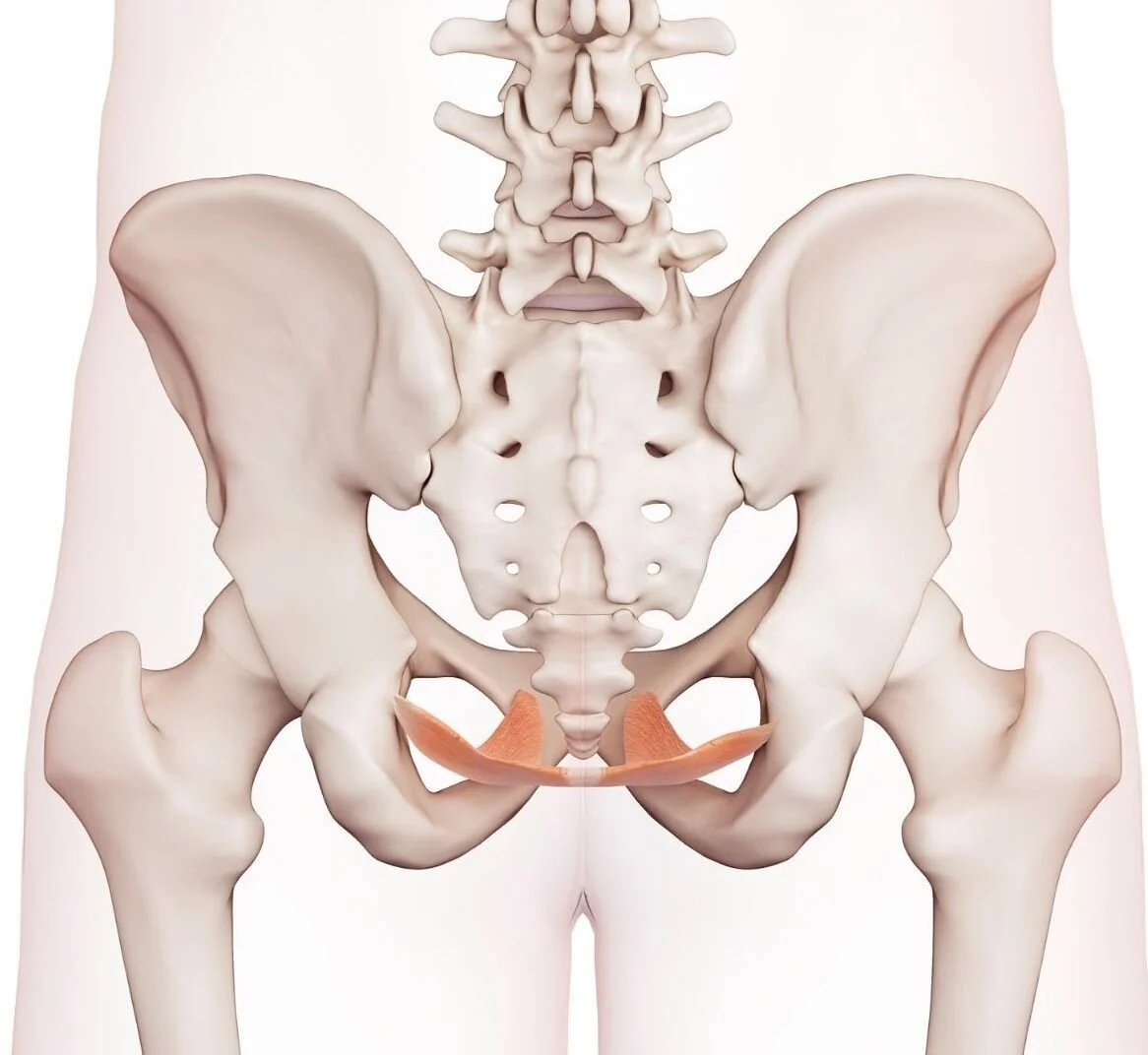
Rear View Pelvis - Pelvic Floor Muscles
Regular and targeted pelvic exercises can maintain proper bladder and bowel control, promote speedier recovery from prostate surgery in men, and reduce the risk of prolapse in women, among other things.
However, strengthening exercises might not be appropriate for everyone. Those with pelvic pain or muscle tightness may benefit more from exercises aimed to relax and loosen the muscles around the pelvis.
Improving the strength of the pelvic floor can sometimes be tricky, but it’s not impossible.
The biggest challenge we encounter when exercising these muscles is the fact that we can’t physically see them.
When we work on our abs, biceps or leg muscles we can see them and the feedback is instant; however, strengthening the muscles of the pelvic region is somewhat different.
At the end of this article, I’ll provide detailed instructions on how to perform these exercises - for both men and women.
Beyond specific pelvic floor strengthening exercises, there are other solutions that can help improve pelvic floor function. We’ll now explore the most effective solutions out there.
EXERCISE

By far the most effective natural method for improving the pelvic floor is.…. exercise!
We’ve already mentioned the importance of specific exercises for strengthening and relaxing the pelvic muscles (which we will get to later). However, doing isolated pelvic floor exercises alone will never be as effective as when used in addition to other exercise aimed at improving overall body strength and fitness.
Staying, or getting, physically active in general will do wonders for your pelvic health.
Remember everything of the body is connected, and you are not just a sum of parts. So get moving more, improve your health and your fitness and get in better shape to see best results with improving your pelvic floor function.
Evidence suggesting that mild-moderate exercise, such as brisk walking, decreases the symptoms of urinary incontinence and also faecal incontinence.
Please note: if you have symptoms of a weakened pelvic floor, high-intensity/impact workouts increase the odds of particular urinary or faecal incontinence during the exercise. High intensity/impact exercises include HIIT exercises, running, jumping, and any other type of strenuous activity, so if these types of exercise are of interest to you, it’s best to avoid these exercises until improvements are made.
WEIGHT MANAGEMENT
In perfect conditions, our pelvic muscles work together to support the organs of the pelvic floor, including our bladder and our bowels.
When overweight or obese, the added weight may be too much for the pelvic floor to bear, resulting in incontinence issues.
Studies have shown that with each 5-unit increase in body mass index (BMI), there is about a 20 - 70% increase in the risk of urinary incontinence.
Studies have also shown that women with a higher body mass index (BMI) have higher intra-abdominal pressure which can lead to incontinence and cause discomfort and pain.
Furthermore, research shows that a 5%-10% weight loss can significantly reduce the risks of urinary incontinence.
As you can see, weight loss is important, not only for improving overall health but should also be an initial treatment for improved pelvic floor function.
STRESS MANAGEMENT
You know that feeling when your muscles get all tensed up when you’re under a lot of stress? Well, your pelvic muscles are not exempt from this!
When we experience something stressful, our pelvic muscles slightly contract; this is perfectly normal as it signals our bodies not to release any urinary or faecal leakage.
However, in cases of chronic stress (whether physical or mental) and anxiety, our pelvic muscles continually remain in a semi-contracted state, which is known as hypertonic pelvic floor.
This increased muscle tone can cause a variety of symptoms including incontinence, incomplete emptying of the bladder and bowels, constipation and pelvic, hip and lower back pain.
You may have heard me many times before talk about reducing stress to decrease many symptoms one may experience. Stress has an immense effect on the body!
Learning how to reduce and manage stress can allow you to relax the muscles of the pelvic floor and significantly alleviate these symptoms. Among many, many other benefits.
Spend some time each day doing what makes you feel good, feel happy, and gets those stress levels down. Yes!… Each day!
HEALTHY EATING

Diet plays a major role in improving the pelvic floor function.
Certain foods and drinks may increase symptoms.
Alcohol, caffeine, citrusy and spicy foods may irritate your bowels and bladder.
A good idea is to keep a food diary, which can help you keep an eye out for foods and drinks that act as possible triggers for you.
Avoiding certain foods and drinks that may make the leakage worse is the first step towards maintaining control over your incontinence, whilst eating a diet high in real, nutrient-dense food.
A nutrient-dense diet will not only help improve strength when combined with the exercises but will also give all the nutrients the body needs for a healthy body overall.
BIOFEEDBACK
A special type of therapy aimed at pelvic floor muscle retraining, biofeedback treatment can help with learning how to strengthen or relax the pelvic muscles to improve bladder and bowel control, constipation and decrease pain in the pelvic area.
The technique utilises electrical sensors that are connected to your pelvic region by a therapist. Once connected, the therapist guides you through a series of exercises and based on your muscle activity, the device records this information.
The device identifies which muscles you are having trouble activating or overusing. Then the exercises can be practised with direct feedback, making it easier to learn how to activate or relax the correct muscles.
PELVIC DEVICES
Women with prolapse and incontinence can sometimes use vaginal pessaries to support their pelvic organs.
These devices are a safe, non-invasive solution and when inserted correctly, one can go about their activities as usual without any disturbances.
Depending on the issue, a doctor may prescribe either a support or a space-filling pessary.
Another option that has been getting a lot of attention are pelvic floor stimulators.
These devices are designed to activate the nerves and muscle mechanisms and are used to treat conditions such as incontinence.
However, the consensus is that pelvic floor stimulators alone are not effective in treating these conditions, but should be used as an addition to other therapies.
MEDICATION
Depending on the diagnosis and the severity of the condition, doctors can treat pelvic floor disorders with pharmaceuticals.
Muscle relaxants are often prescribed to treat certain pelvic floor dysfunctions, as are anti-inflammatory medications and injections.
Botox injections can be used for the treatment of overactive bladder or urge incontinence. Botox relaxes the muscles of the bladder so when the need to urinate comes on, it will give more time to get to the bathroom
In the case of constipation, laxatives are a common solution. However, one study, comparing the effectiveness of biofeedback therapy and laxatives in constipation patients with pelvic floor coordination issues, found that 80% of patients treated with biofeedback improved their symptoms, compared to the 22% of patients who used laxatives.
Remember, consult with a doctor before taking any kind of medication.
SURGERY
If a doctor determines that all other treatments have been unsuccessful so far, they might suggest a surgical procedure. There are various procedures available and they depend on the condition itself.
One of the most common surgeries is pelvic floor repair which is performed to treat prolapse symptoms in women.
Some women with uterine prolapse sometimes need to undergo a hysterectomy, a procedure where the whole uterus is removed.
In the treatment of bladder issues, catheterisation and stents, are some of the possible solutions to chronic urinary retention. Mid-urethral sling surgery is surgery often performed for stress incontinence. This procedure involves placing a surgical tape under or around the urethra to support it to prevent urine leakage.
When it comes to bowel issues, surgery may include repairing the anal sphincter muscle or injecting medication. Some surgeons also recommend inserting nerve stimulators to control the function of the bowels.
There are always risks when undergoing surgery and your doctor will discuss these with you. Remember, if unsure, it’s ok to get more than one doctor’s opinion.
MANAGING INCONTINENCE

Aside from natural and medical treatments, some helpful tools can also allow you to manage these conditions and make the whole ordeal less bothersome, or embarrassing whilst you work on the underlying cause.
Incontinence pads and pull-up pants are a simple and effective way to keep your incontinence in check until you receive proper treatment. You can always invest in some incontinence bedding as well if you’re worried about night-time leakage.
Men can also find relief by using urinary sheaths or urinals, especially if the symptoms are so severe that they cannot be controlled.
In case of pain and discomfort, some people can benefit from applying heating pads to their pelvic region or using pelvic support cushions to alleviate pressure and pain.
Finally, the most important thing to remember is not to lose hope! Most pelvic floor problems can be treated relatively easily and often without surgery.
However, it’s crucial to identify your problems first and get a proper diagnosis before diving into any of the treatments mentioned above. Consulting with your doctor or therapist is the first step towards regaining control over your life.
There are both men’s and women’s Physiotherapists who specialise in pelvic floor issues. Pelvic floor physiotherapists (PTs) can perform exams of the abdomen and pelvic area to assess if the muscles are weak or tight, and can then go about determining the best course of action for your symptoms and conditions.
PELVIC FLOOR EXERCISES
Have you ever heard of Kegel exercises?
I’m guessing that the majority of the female audience is currently nodding “yes”. Contrary to popular belief, Kegel exercises, also known as pelvic-floor exercises, are not aimed solely at women. They are beneficial for men also.
Although the technique differs a bit depending on the gender, the end goal is the same - to train and strengthen the pelvic floor muscles.
Of course, Kegel’s are not the only exercises that can help you in this journey to a stronger, healthier pelvic floor.
In this section, you can find some of the most effective exercises for strengthening and relaxing the pelvic floor.
Note: before attempting any of these exercises, consult with your Doctor or Physiotherapist (there are Women’s Health and Men’s Health Physiotherapists that specialise in this area).
LOCATING YOUR PELVIC FLOOR
Before starting the actual exercises, the first thing you need to do is identify the correct muscles you will be working on.
To begin this exercise we are going to start by sitting supported in a chair, or by lying down. Start by being seated or lying comfortably, once you get the hang of it, you can do them wherever you want.
Now breathe in gently, your pelvic should relax more so and gently exhale.
Focus on drawing these muscles down there inward, tightly.
Some ways to think about it:
Imagine stopping the stream of urine.
Imagine holding in gas.
Or lastly, for men…. “Suck in your nuts to your guts”
For women, you should feel a “squeeze and lift” in the muscles around your vagina and anus.
For men, you should feel a “squeeze and lift” in the area between your anus and scrotum.
Make sure you aren’t squeezing other areas of your body, straining or holding your breath. No one should be able to tell you’re doing these exercises. (Unless for some reason you want to tell them).
If you’re having trouble, you can try this by stopping the stream of urine next time you go to the bathroom. Do this for a second or two. If you can do this, you are using the correct muscles. Do not do this regularly however, only for the purpose of this exercise.
Once you feel the muscles working in this area, you have now successfully located your pelvic floor muscles. Congrats!
Now, we can get those muscles moving more!
KEGEL EXERCISES FOR SENIORS
Depending on what you’re trying to accomplish, you may try short or long Kegel exercises.
If your goal is to reduce leakage due to stress incontinence, then short Kegels are the way to go.
However, if you want to improve bladder support and storage, you should focus on longer Kegel exercises.
It’s also a good idea to try and combine the two for the most effective results.
And remember, although the pelvic floor muscles are a small region of the body, just like with any exercises, you don’t want to overdo it.
Start with a small number of repetitions and build it up. Be patient!
SHORT KEGELS
These exercises involve quick contractions of the pelvic muscles.
Begin with proper posture (either standing or seated)
Contract and relax your pelvic floor muscles swiftly
Repeat 10 times (once a day working up to 3x per day)
LONG KEGELS
These exercises involve holding the muscle contractions for a short period on each repetition.
Begin with proper posture (either standing or seated)
Contract your pelvic muscles and hold the contraction. If new to these exercises, start by holding for 3-5 seconds and work your way up to 10 seconds over time.
Rest for a few seconds between each repetition
Repeat 10 times (once a day)
The great thing about these exercises is that they can be done anywhere and at any given time! Yes, you read that correctly, you can perform these movements while you’re having a meal, watching telly, driving your car, or simply relaxing on the couch. Why not do them before getting started with other exercises you usually do, to make sure you’ve woken up these muscles!
OTHER EXERCISES TO STRENGTHEN THE PELVIC FLOOR
As mentioned earlier, your body is more than just the sum of its parts.
We want to not only do strengthening exercises that isolate the pelvic floor muscles, with Kegels. But also put some focus on strengthening exercises that work the pelvic floor AND muscles around the pelvis (hip, leg, abdominal, lower back and the glutes).
Four great exercises that do this are:

Bridge Exercise
(Click the links to access the exercises, and make sure to include them in your weekly exercise program also).
Another great video to follow along to which will help is Standing Core and Glute Exercise video, which will help strengthen these muscles as well.
PELVIC FLOOR RELAXATION EXERCISES FOR SENIORS
Pelvic floor disorders can differ, and sometimes, strengthening exercises may not be what’s required for you.
Sometimes pelvic muscles are too tense or tight, which can lead to pain and other symptoms, and strengthening exercises are not the answer.
It’s best to get an assessment from a pelvic floor specialist therapist who can determine appropriate treatment for you.
When the pelvic floor is too tense or tight, the most effective solution is to focus on pelvic floor relaxation.
Fortunately, numerous exercises can help relax and loosen the pelvic muscles and alleviate pain, discomfort, and symptoms of constipation.
ABDOMINAL BREATHING
Abdominal breathing is a simple and effective way to relax and loosen the pelvic muscles. These techniques allow your pelvic floor muscles to lengthen and expand.
Sitting up tall in your chair, or lying down on your back, bend your knees and place your feet firmly on the ground.
Put your left hand on the chest and the other hand on your stomach.
Inhale deeply moving your breath downwards toward your pelvic region.
Hold your breath for 3-4 seconds before exhaling.
Exhale slowly by allowing your breath to flow smoothly upwards. Imagine it moving up towards your mouth.
Pause for another 3-4 seconds before repeating.
Continue for up to 5 minutes (once a day).
PELVIC FLOOR STRETCHES
Various stretches can help relax the muscles around and in the pelvis.
A lot of these exercises are modified versions of common yoga stretches and should always be done consciously and never to the point of pain.
Practising these poses does not only relax the pelvic muscles but can ease the mind as well. They’re suitable for both men and women.
1. MODIFIED HAPPY BABY STRETCH
This exercise is a modified version of the happy baby exercise commonly practised in yoga.
It is a great exercise to help the pelvic floor muscles to let go of unconscious muscle tightening.

How to Perform:
Lie on your back, on the floor (if able) or on a firm bed.
Draw your knees up towards your chest.
Now place your feet together and hold onto your ankles.
Allow your knees to widen as far as comfortable.
Stay in this pose up to 60 seconds. Relax into it and focus on letting go of any tension in your pelvic region, your mid-section and then also your entire body.
2. KNEE TO CHEST/SHOULDER STRETCH
You can find this stretch demonstrated in the Exercise Library here.
How to Perform:

Lie on your back, or in a chair and extend your legs out in front of you.
Draw up one knee to your chest and hold it up to 60 seconds.
Repeat with the other knee.
Once you complete this, you can try bringing one knee towards the opposite shoulder and repeating with the other knee after 30- 60 seconds.
3. MODIFIED CHILD’S POSE
This exercise is a modified version of the child’s pose exercise commonly practised in yoga.
How to Perform:
Start seated upright in a chair.

Take a deep breath in slowly and whilst you exhale, curl your chin to your chest, and then curl down through your upper back.
Fold at the hips whilst bringing your hands towards the floor.
Hold up to 60 seconds, relaxing with some nice gentle breaths.
Once complete, slowly make your way back up by crawling your hands up until back in the upright seated position.
HOW OFTEN TO DO PELVIC FLOOR EXERCISES & WHEN YOU'LL NOTICE RESULTS
Pelvic floor exercises are an effective way to improve pelvic floor function.
Start with 10 repetitions, every day for the strengthening exercises. No more! You can then work your way up to doing them three times per day. This should take no more than 10 minutes each day.
Remember…. Do not overdo it!
Although it's essential to stay consistent with the exercise to see results, doing too much of these exercises can actually have the opposite effect.
If you overwork your pelvic muscles they can become fatigued, or tense up and may not function as well as they should.
Additionally, the exercises should never cause any type of pain or discomfort.
Most people should start seeing results after 2-6 weeks, but it’s also possible that it takes more time to notice any significant changes.
For the relaxation exercises, complete once per day.
Stay consistent! You will see results!
PELVIC FLOOR EXERCISE VIDEO

Pelvic Floor Exercise Video For Seniors
I’d love to know:
Have you been doing pelvic floor exercises already?
What exercises or other tips have you found that works best to keep your pelvic floor functioning well?
(You can answer below, or to me by email or in the More Life Health Facebook Community).
SOURCES https://www.healthline.com/health/pelvic-floor-dysfunction#causes https://www.medicalnewstoday.com/articles/327511#causes https://www.mayoclinic.org/diseases-conditions/overactive-bladder/symptoms-causes/syc-20355715 https://www.medicalnewstoday.com/articles/165408#types https://www.webmd.com/digestive-disorders/bowel-incontinence#1 https://www.webmd.com/urinary-incontinence-oab/pelvic-organ-prolapse https://physio-pedia.com/Physiotherapy_Treatment_After_Prostate_Cancer https://www.nichd.nih.gov/health/topics/pelvicfloor/conditioninfo/treatment
Standing Stretches For Seniors | Full Body - 6 Stretches | 8 Minutes
In this video, we go through 8-minutes of full-body, standing stretches for seniors, aimed at helping to improve flexibility.
IMPROVE flexibility over 60 - Standing Stretches For Seniors
Join me (Mike - Physiotherapist) for this full-body standing stretch. Improve your flexibility!
In this video we cover:

Do your best and any questions ask below!
- Mike

Standing Core and Glute Exercises For Seniors | More Life Health
In this video, we go through simple core and glute (buttocks exercises) to improve strength in this area.
Core & Glute Exercises For Seniors - Get Stronger Over 60
Join me (Mike - Physiotherapist) for these simple core and glute (buttocks exercises) to improve strength in this area.

Do your best and any questions ask below!
- Mike

Full Chair Workout - Standing, No Equipment! | More Life Health
Get stronger, improve your flexibility and fitness, move better and feel better with this standing, full chair workout for seniors.. No equipment required!
Full Standing Workout For Seniors
Join me (Mike - Physiotherapist) for this full standing workout for seniors.
Get stronger, improve your flexibility and fitness, move better and feel better. This session goes for 40 minutes.
In this Workout we cover:

Do your best and any questions ask below!
- Mike

Full Chair Workout - Seated & Standing - No Equipment | More Life Health
Get stronger, improve your flexibility and fitness, move better and feel better with this seated & standing, full chair workout for seniors.
Effective Seated & Standing Exercises For Seniors
Join me (Mike - Physiotherapist) for this full chair workout for seniors (seated and standing exercises).
Get stronger, improve your flexibility and fitness, move better and feel better. This session goes for 35 minutes.
In this Workout we cover:
Do your best and any questions ask below!
- Mike

Full Chair Workout - No Equipment (40 Minutes)
Get stronger, improve your flexibility and fitness, move better and feel better with this completely seated, full chair workout for seniors.
Completely Seated Full chair workout for seniors
Join me (Mike - Physiotherapist) for this full chair workout for seniors (completely seated).
Get stronger, improve your flexibility and fitness, move better and feel better. This session goes for 40 minutes.
In this Workout we cover:

Do your best and any questions ask below!
- Mike
Everything You Need To Know About Hypertension!
High blood pressure (aka hypertension) is highly prevalent in today’s society.
According to the WHO, it is estimated 1.13 billion people worldwide are affected by this condition. More specifically, during 2015 – 2016, the prevalence of hypertension was 29%, with this number increasing to 63.1% in those 60 and over.
Fortunately, this condition CAN be successfully treated and also prevented.
In this article, we will cover everything you need to know about blood pressure and what you can do about it, including - what blood pressure is and the dangers and risk factors associated with it.
We will also look at some simple ways to check your blood pressure (and how to), we’ll cover the medical treatments available and go into depth on the natural ways to not only help bring your blood pressure down to healthy levels but will also help improve your overall health!
Includes How To Lower, and Prevent, HIGH Blood Pressure NATURALLY
High blood pressure (aka hypertension) is highly prevalent in today’s society.
According to the WHO, it is estimated 1.13 billion people worldwide are affected by this condition. More specifically, during 2015 – 2016, the prevalence of hypertension was 29%, with this number increasing to 63.1% in those 60 and over.
Most of the time high blood pressure can go undetected and people with high blood pressure don’t usually have any symptoms.
So why is high blood pressure a problem?..
When blood pressure is elevated, blood vessels are working a whole lot harder.
When blood vessels are constantly working much harder, there is increased risk of many chronic health conditions. These conditions include stroke, coronary heart disease, heart failure and chronic kidney disease.
Fortunately, with hypertension being largely caused by unhealthy choices and the stressors and circumstances of life, when changes are made blood pressure CAN improve… GREAT NEWS!
Along with this, there are many effective medical treatments also available.
With a good understanding of this condition and the right steps to take to better health, high blood pressure CAN be lowered and also prevented.
In this article, we will cover everything you need to know about blood pressure and what you can do about it, including - what blood pressure is and the dangers and risk factors associated with it.
We will also look at some simple ways to check your blood pressure, we’ll cover the medical treatments available and go into depth on the natural ways to not only help bring your blood pressure down to healthy levels, but also improve your overall health!
Let’s go!!
CONTENTS:
WHAT IS BLOOD PRESSURE
Putting it simply, blood pressure is the pressure of blood that circulates through our blood vessels. The pressure of our heart pumping blood!
As our heart pumps blood into the vessels, the blood circulates throughout the body distributing oxygen and nutrients to our organs so they are able to function properly.
When you measure your blood pressure, you look at two parameters: systolic (top) and diastolic (bottom) pressure. Systolic pressure is the maximum pressure recorded during one heartbeat. Diastolic pressure is the minimum pressure in the arteries, while the heart is resting.
Blood pressure is measured in millimetres of mercury (mmHg) and a normal blood pressure level is 120/80 mmHg.
If someone has a blood pressure reading of 120/80 mmHg, 120 mmHg is the systolic pressure and 80 mmHg is the diastolic pressure.
Blood pressure stages are summarised in the below graph.
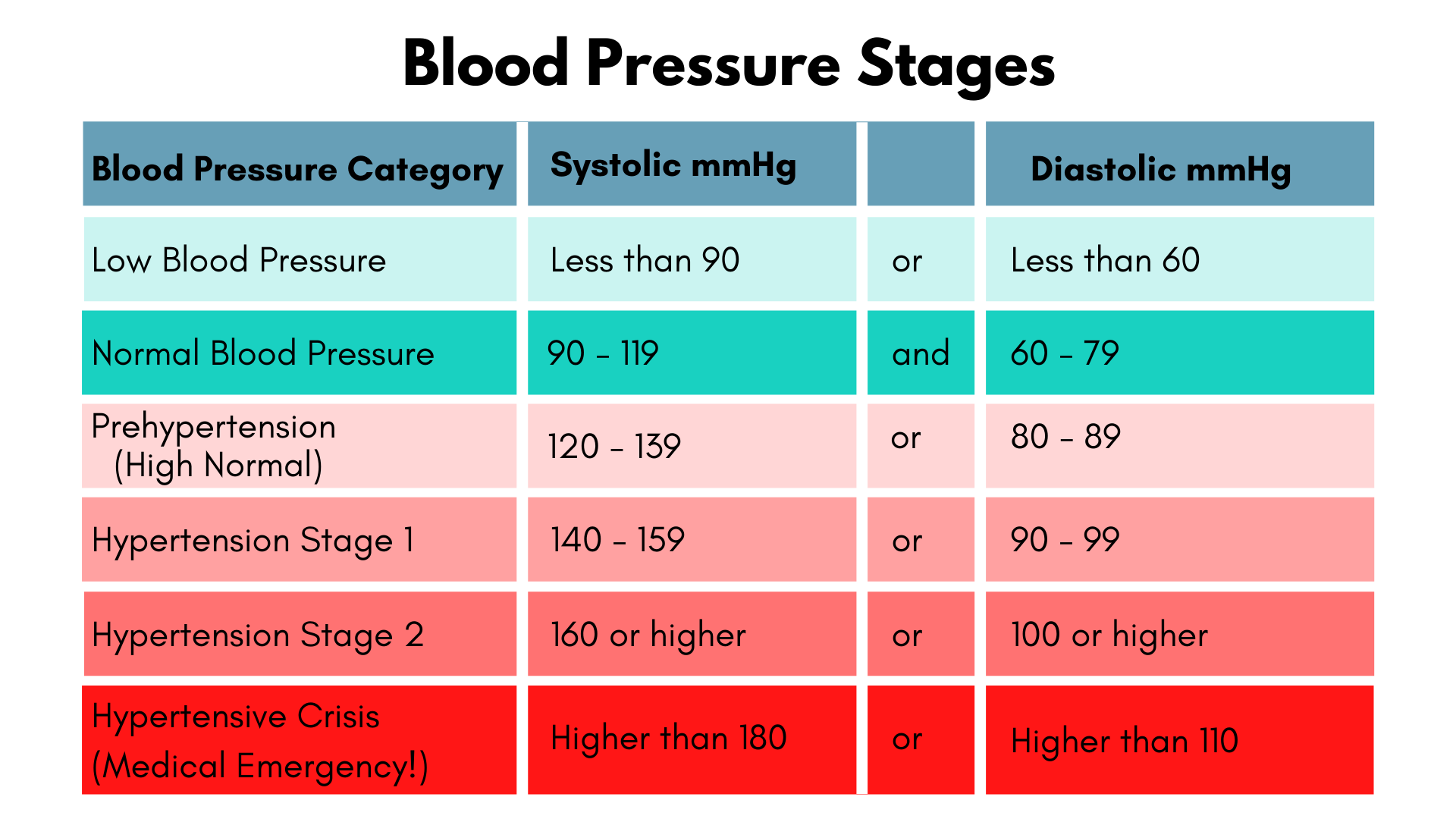
Blood Pressure Stages
So, what happens when these blood pressure levels spike up (high blood pressure or hypertension)?
The increased blood pressure makes the heart pump much harder than usual which places too much stress on the walls of the arteries.
This can lead to damaging of the arteries, making them more vulnerable to narrowing and what’s known as atheroma (a buildup of materials that adhere to the arteries), which can limit the flow of oxygen to the heart.
As mentioned at the start of this article, high blood pressure can go undetected for years without any symptoms, which is why it is often referred to as the silent killer.
Uncontrolled hypertension can lead to serious complications such as aneurysms, heart failure, strokes, kidney failure, and even blindness.
Now that we know the severity of this condition, you may be thinking “why does blood pressure increase?”
Causes of High Blood Pressure

There are two types of hypertension. Essential hypertension, which is responsible for more than 90% of hypertension cases and doesn’t have any clear identifiable cause.
In the case of secondary hypertension, other underlying medical conditions are the cause. The most common causes of secondary hypertension in older adults are hypothyroidism, renal failure, and atherosclerotic renal artery stenosis.
Although the exact causes of essential hypertension are still unknown, there are several risk factors known to contribute to this condition.
Some of the most common risk factors associated with essential hypertension are:
INCREASING Age
The risk of developing high blood pressure increase with age, mostly due to structural changes in the arteries.
The most common type of hypertension in those over the age of 50 is called isolated systolic hypertension, which is an elevation in systolic but not in diastolic pressure.
Although high blood pressure affects both genders equally, it is said that women are more likely to develop hypertension after the age of 65, while men tend to develop it much earlier.
People over the age of 40 should check their blood pressure at least once a year in order to detect any changes and take appropriate action if needed.
We’ll talk more about how to check your blood pressure later on in this article.
Stress
With everything going on in the world, along with daily stressors like work, finances, emotional troubles, etc, stress can be hard to get on top of and can take its toll on our health.
Don’t get me wrong, a healthy dose of stress is completely normal and natural. When we feel threatened, anxious, or upset, our nervous system releases a bunch of stress hormones so our body can assess the situation and act accordingly.
But what happens when the stress is constant and becomes a huge part of our lives?
Studies show that exposure to chronic psychosocial stress can contribute to the development of hypertension. Moreover, there’s evidence that supports that even thinking about stressful events can cause a delay in blood pressure recovery. This is a common trait in people who suffer from conditions such as depression and anxiety.
Another factor that contributes to hypertension is how we deal with stress.
Finding better and healthier coping mechanisms might be the key to reducing blood pressure levels and safeguarding your health.
You can find some great tips for reducing stress at the end of this article.
Physical Inactivity
Indulging in an overly sedentary lifestyle could also put you in a higher risk of developing essential hypertension.
A study evaluating the progression from prehypertension to hypertension in middle-aged and older males found that lack of physical activity significantly increases the progression of hypertension.
Participants who were in the lowest-fitness category were said to have a 36% higher risk for developing hypertension compared to those in the high-fitness category.
Lack of exercise is also directly linked to obesity, which is another risk factor for hypertension.
Obesity
Being overweight, or obese, increases the blood volume that circulates through the blood vessels, putting additional pressure on the arterial walls.
According to The Framingham Heart Study, people with a BMI (Body Mass Index) over 25 more commonly suffer from high blood pressure compared to those whose BMI falls into an optimal range. This study also estimates that obesity could be responsible for 28% of cases of hypertension in women and 26% in men.
Another study suggests that for every kilogram lost, systolic and diastolic blood pressure decreases by about 0.5 to 2 mmHg.
Gradual, healthy weight loss is essential for the prevention and treatment of hypertension.
Unhealthy Diet
Various studies have supported the link between sodium (salt) intake and hypertension.
Now, let’s be clear on one thing - a moderate amount of sodium is absolutely necessary for the body to function properly.
However, regularly consuming too much sodium, leads to water retention. At this point, your body will try to flush out the excess water by making your heart pump faster, resulting in...yup, you’ve guessed it - higher blood pressure.
So, how much sodium is too much?
Research shows that Australians eat on average between 2,500mg and 5,500mg of sodium each day. Most of the sodium comes from processed and prepackaged foods like bread, processed meat, boxed cereal, etc.
It is recommended adults consume no more than 2,300 milligrams (mg) of sodium per day. However, in ideal circumstances, that amount would be closer to 1,500 mg per day for most adults.
Rather than focusing on reducing salt intake to help with lowering blood pressure, put your focus on making the switch from processed foods to eating real, whole foods.
Whole foods such as fresh fruits and vegetables, legumes, nuts, seeds, dairy, poultry, and meats are packed with essential nutrients such as potassium, magnesium, and other important minerals that your body needs to function properly.
By making a conscious choice to make this switch, your sodium intake will decrease and your health will also improve ten-fold. (We will discuss this further, later in this article).
Of course, sodium isn’t the only culprit responsible for increasing blood pressure.
Drinking too much alcohol can also lead to hypertension. Although the reasons why are still unclear, it is believed that inflammation and oxidative injury are the major contributors to alcohol-induced hypertension.
Of course I’m not going to say you have to ditch alcohol altogether. You can still enjoy a cold pint of beer, or a nice glass of wine every now and then, just make sure you’re not overindulging too frequently!
Another healthy tip on sodium. When you’re seasoning your food, choose a quality sea salt (sea salt contains many important minerals), over general table salt.
Smoking
We all know the health effects of smoking. In my last article I discussed the effects smoking can have on eye health, and smoking comes up again this week
Nicotine found in cigarettes and similar tobacco products can increase blood pressure and heart rate, as well as narrow the arteries.
Tobacco products are also packed with harmful chemicals that can damage the heart and blood vessels. Furthermore, research suggests that secondhand smoke also increases the risk of hypertension, as well as the build-up of plaque inside the arteries.
If you’re a smoker, there are some great programs out there that can make quitting smoking much easier. Speak to your doctor about this on your next visit.
Genetics
Genetics may play some role in hypertension.
There is evidence to show that certain ethnicities have a higher risk of developing hypertension and generally tend to develop it at an earlier age.
However, if hypertension runs in your family, it’s most possibly due to similar environmental and lifestyle factors you share with your predecessors.
It’s very common for many chronic health conditions to be put down as hereditary alone, when there are modifiable risk factors also to blame.
HOW TO CHECK YOUR BLOOD PRESSURE
Monitoring your blood pressure regularly is the only way to detect any changes and identify whether you’re at risk of developing hypertension.
Even if your blood pressure is within normal parameters, you should get it checked at least once per year.
However, if you already suffer from hypertension or have some pre-existing diagnosis that would put you at higher risk, you should make a habit of checking your blood pressure at least daily (or twice - morning and night) until under control and monitor it.
Checking your blood pressure isn’t all that complicated or difficult.
You can always make an appointment with your doctor, or you could decide to monitor your levels by yourself.
If you already have been diagnosed with high blood pressure, then home blood pressure monitoring might be a more convenient option for you.
CHECKING YOUR BLOOD PRESSURE AT THE Doctor

During a routine check-up your doctor will check your blood pressure.
Make sure you avoid caffeine, nicotine, and exercise at least an hour before the appointment. These activities can raise your blood pressure levels temporarily, so the test results might not be entirely accurate.
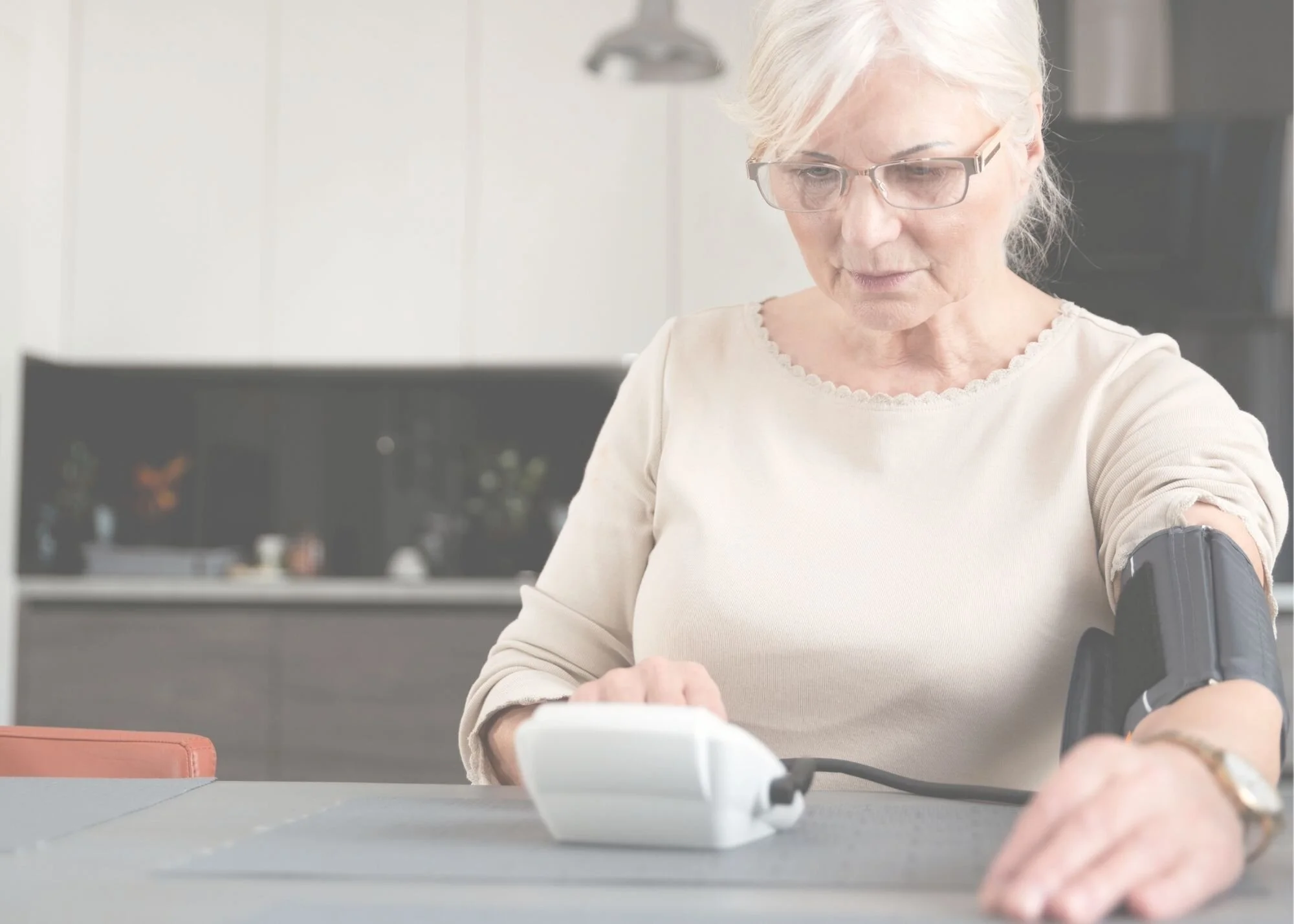
Your doctor will use an automated blood pressure machine or what’s called a sphygmomanometer and also an arm cuff (see picture below) to measure your blood pressure.

Aneroid Monitor with Sphygmomanometers
The inflatable rubber cuff is wrapped around the top of your arm. As the rubber cuff inflates, it constricts your arteries, cutting off the blood flow for a moment. Once the air is released, the doctor will be able to measure both your systolic and diastolic pressure either by using a stethoscope or by taking the reading fro the automated blood pressure monitor.
The whole procedure shouldn’t take longer than a couple of minutes and the results are available immediately.
Depending on your results, the doctor will recommend further action if needed. This could be simple lifestyle changes (discussed below) or the use of medication.
CHECKING YOUR BLOOD PRESSURE AT HOME
Measuring your blood pressure from home doesn’t differ too much from what your doctor would do.
There is a variety of blood pressure monitors available for purchase that are reasonably priced and are accurate. You can pick up a quality digital monitor at a reasonable price online.
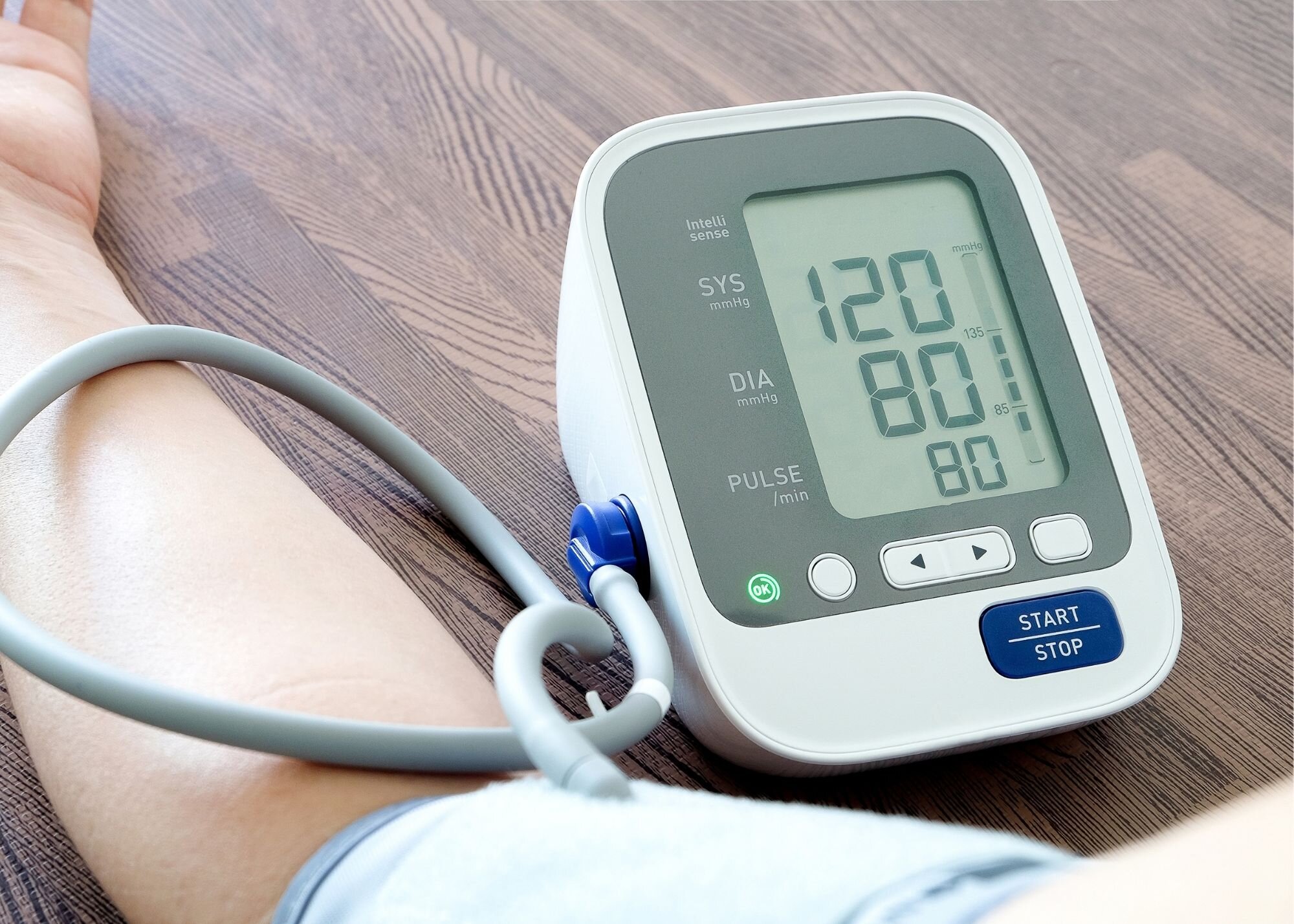
Digital Blood Pressure Monitor
Digital monitors do most of the work for you and a stethoscope is not needed. In some cases, you still need to inflate the cuff manually, but some models inflate automatically. The numbers are readily available on a small screen. These monitors are very easy to use and many are very accurate.
Some people prefer to use a wrist monitor to measure their blood pressure, but the general opinion is that these machines are not as reliable as upper arm monitors and I do not recommend them.
A few pointers for checking your blood pressure at home:

If you have high blood pressure, check your blood pressure at least once or twice a day (morning and evening).
Avoid food, caffeine, exercise, and nicotine at least 60 minutes before measuring.
Make sure your arm is supported and at the level of your heart.
Sit straight with your legs uncrossed and feet flat on the ground.
Try to relax before measuring. Spend 5 minutes relaxing.
Take a few readings each time to get the most accurate results.
Make sure to document your results every time you measure your blood pressure so you can closely monitor your condition.
If you have concerns or questions about your results, make sure to contact your doctor.
HOW TO LOWER (OR PREVENT) HIGH BLOOD PRESSURE
MEDICAL TREATMENTS
There’s no one-size-fits-all when it comes to hypertension and medical treatment. Treatment varies based on various factors.
In most cases, your doctor will recommend healthy lifestyle changes that could help lower your blood pressure naturally. We’ll discuss these natural treatments, as well as prevention in the next part of this article.
Once the doctor determines your current situation, they might recommend certain medications as a part of your individual treatment plan.
More often than not, those suffering from hypertension are prescribed diuretics. This medication is also sometimes referred to as water pills, as their aim is to help remove excess water and sodium from your body.
ACE (Angiotensin-converting enzyme) inhibitors are another type of medication which help relax the blood vessels by blocking the natural chemicals that restrict them. Angiotensin II receptor blockers (ARBs) and calcium channel blockers are also sometimes recommended for people suffering from high blood pressure.
Alpha, Beta, and Alpha-Beta Blockers are additional medications sometimes used in the treatment of hypertension. These blockers are made to reduce nerve impulses to blood vessels and can help decrease the workload on your heart.
In some situations a combination of several medications, may be recommended by your doctor.
Finding the right combination of meds can be difficult and take time. Not everybody will react in the same way to certain medication, so it’s important to be patient, keep an open mind and trust your doctor.
NATURAL TREATMENTS AND PREVENTION OF HYPERTENSION
Up until this point, we’ve only discussed the ugly side of hypertension: risks, dangers, complications, consequences, etc.
Of course, all of these aspects are essential for understanding how high blood pressure can affect a person’s health.
However, there is a silver lining in all of this!
In most cases, high blood pressure can easily be managed by making some healthy and conscious life choices.
There are a number of things you can do to keep hypertension at bay.
Implementing these changes in your life can help lower your blood pressure naturally, so you might not even need medication.
DECREASING STRESS & MINDFULNESS
Stress-management is one of the most instrumental parts of managing your blood pressure.
Chronic exposure to stress can constrict your blood vessels and increase the heart rate, but it can also be a getaway to some other unhealthy behaviours.
Practising mindfulness can be the very first step towards lowering your blood pressure levels. Research shows that meditation has proven to be an effective tool for combating stress and anxiety which is important in decreasing blood pressure
Additionally, experts found evidence that listening to soothing music can lower both systolic and diastolic pressure in both men and women.
Decreasing stress can be challenging but it’s far from impossible. Try to find time each day to indulge in activities that bring you joy.
Keep a journal of the things you’re grateful for, fix yourself a relaxing bath and turn on some of your favourite tunes. Self-care is all about learning to love, respect and nurture both your body and your mind.
When you find yourself making this a priority, you’ll see and feel the benefits.
MAKE SLEEP A PRIORITY
Although often neglected, sleep is a fundamental part of a person’s overall health.
Our bodies need rest to recharge and prepare us for the days ahead.
Sleep deprivation and sleep disorders such as insomnia are associated with hypertension, especially during middle age. Not getting enough sleep can hinder your body’s ability to regulate stress hormones, which can lead to increased blood pressure.
According to the CDC, about 35% of adults report not getting enough sleep.
So, how much sleep do we actually need?
The short answer? It varies. The amount of sleep a person needs changes with age. An average adult should aim at getting 7-9 hours of quality sleep each night.
Many underlying conditions could affect your ability to sleep well. However, with the right mindset and a few simple changes to your lifestyle, you can easily form healthy sleeping habits.
You can read more about how to get a good night’s sleep HERE.
GET IN NATURE MORE + GET SUNLIGHT
Did you know that spending more time in nature could lower your blood pressure? I know what you’re thinking - it can’t be that simple, can it?
Well according to some research, exposure to green spaces can reduce the risk of cardiovascular disease, stress, high blood pressure, as well as type II diabetes and premature death.
Additional studies link sunlight exposure to lowering blood pressure. One study, published in the Journal of the American Heart Association shows incident solar UV radiation is associated with lower systolic blood pressure.
This, of course, doesn’t mean you should spend your days sunbathing at the beach. On the contrary, overexposure to UV rays could actually do you more harm than good. Spending just 20 minutes each day strolling in the park should do the trick. Make sure to not over do it and be sure to avoid the hottest part of the day.
EXERCISE AND BLOOD PRESSURE
As we’ve mentioned before, obesity and physical inactivity are big risk factors for high blood pressure.
Controlling your weight by exercising regularly should be on the top list of your priorities.
Studies claim that the combination of aerobic exercise and resistance training has shown remarkable results in lowering BP.
Furthermore, HIIT (High-Intensity Interval Training) and walking are said to be beneficial for reducing both systolic and diastolic pressure.
According to a meta-analysis study, indulging in such activities for 150 minutes per week can help lower BP and improve your heart health.
The key is finding activities you actually enjoy doing. Don’t over think it, don’t try and be perfect, just get moving! Try your hand at cycling, power walking, swimming, or dancing. Whatever it is…. And stay consistent with it! Exercise is something that should be done regularly.
And for free exercise videos for seniors head over to the exercises page.
Eating Healthier - 5 Ways To Decrease Blood Pressure Through Healthy Eating
We’ve already established, earlier in this article, that cutting back on sodium and alcohol can do wonders for your blood pressure. The question now is, what other dietary changes can you make to lower your BP?
We’ll now touch upon some of the most important dietary habits for improving and preventing high blood pressure.
1. CUT OUT THE JUNK FOOD - REPLACE WITH WHOLE FOODS.
The reason why so many health professionals, myself included, advise against processed and prepackaged foods is because they contain excessive amounts of sodium, sugar, bad fats, and are loaded with many harmful additives. On top of this, many of them have little to zero nutritional value.
Maintaining a diet relying heavily on processed foods can increase the risk of obesity, diabetes, heart disease and as we already know - high blood pressure.
Evidence shows that sugary drinks and foods are linked to higher blood pressure. Data suggests that those who drink one or more sugary drinks daily have a 12% higher risk of developing hypertension. Another study found a significant association between increased sugar and increased blood pressure in older women.
Does this mean you can’t eat sweets anymore? Or that you need to stop enjoying your favourite snacks altogether?
Absolutely not!
The first step towards improving your health is cutting out the junk from your diet. There are still plenty of sweets and snacks that can satisfy your cravings without endangering your health.
This is where real, whole, nutrient-dense foods come in.
Finding the right balance between healthy and unhealthy foods can be challenging, especially nowadays when our supermarket shelves are packed with all sorts of colourful snacks and treats. However, healthy alternatives do exist and it’s entirely possible to make some necessary changes that will turn your whole life around.
Nobody expects you to immediately cut out all the bad stuff from your diet and start with a clean slate...or should I say plate?
The changes don’t need to be drastic and abrupt. Making minor changes in your eating habits could make a world of difference. Replace sugary drinks with unsweetened tea, snack on fruits and nuts instead of chips, and cook using real, fresh ingredients.
Here are some examples healthy foods and their nutrients :
Salmon and Sardines (omega-3s, protein, vitamins, and minerals)
Kale and other Leafy Greens (vitamins C, A, K1, B6, as well as potassium, magnesium, calcium)
Garlic (vitamins C, B1, B6, calcium, selenium, manganese, potassium)
Shellfish and Seaweed (vitamins C, B12, zinc, copper)
Potatoes (vitamins C, B, iron, potassium, manganese, magnesium)
Egg Yolks (lutein, zeaxanthin, choline)
Dark Chocolate (fibre, iron, manganese, antioxidants)
Blueberries and other Fruits (vitamins, minerals, and antioxidants)
Once you get into the habit of eating whole foods, your cravings towards processed foods will eventually diminish.
If you do need additional help and information on how to start eating healthier, you can find more tips right here.
2. POTASSIUM
Evidence suggests that eating foods rich in potassium may help regulate blood pressure. This is achieved by helping the body reduce excess sodium. Some of the best sources of potassium include:

Vegetables (potatoes, leafy greens, carrots, celery, tomatoes)
Fruits (bananas, melons, apricots, citrus fruits, berries, kiwi)
Dairy Products (milk and yoghurt)
Nuts, Seeds, and Beans (pistachios, almonds, hemp and pumpkin seeds, lima, pinto, kidney beans, lentils)
Fatty Fish (tuna, cod, trout, salmon)
Herbs and Spices (turmeric, thyme, cumin, paprika, cayenne pepper, dill)
PLEASE NOTE: Eating a lot foods that are high in potassium may cause problems, especially in people with kidney disease. Make sure to check with your doctor or dietitian on how much potassium is right for you.
3. OMEGA 3s
Numerous studies show the link between omega-3s and decreased blood pressure. Regular intake of these fatty acids can protect the dynamic function of vascular cells, which promotes optimal blood pressure.
Oily fish are the best source of omega-3s, or more specifically EPA (eicosapentaenoic acid) and DHA (docosahexaenoic acid.)

These two compounds have been shown to have positive effects on blood pressure and have a range of health benefits.
Sources of omega-3s include:
Fatty Fish (mackerel, salmon, cod, herring, sardines, anchovies)
Oysters
Caviar
Flax and Chia Seeds
Walnuts and Legumes
4. VITAMIN C
Vitamin C is one of those miracle vitamins we always turn to whenever we have an ailment. Runny nose? Minor cold? Running a fever? Let’s stock up on lemons and oranges! And there’s a good reason why we do these things.
Vitamin C, known also as ascorbic acid, contributes to a wide range of body functions. It supports our immune system, maintains our skin, bones, and blood vessels, and protects us from an onset of diseases.

Another amazing benefit of vitamin C is its ability to reduce the effects of hypertension. A meta-analysis study found that vitamin C supplementation can significantly reduce both systolic and diastolic blood pressure. It is believed this is due to its diuretic properties, where the vitamin helps remove the excess fluids from your body, which in turn lowers the blood pressure.
As we already know, citrus fruits are some of the best sources of vitamin C, although tomatoes, potatoes, broccoli, and brussels sprouts also contain significant traces of this essential vitamin.
5. BEETROOTS
When researching for this article I noticed this vegetable popping up for its effects on lowering blood pressure.
Although not one of my favourite vegetables, this colourful vegetable is loaded with essential nutrients and contains high levels of potassium, iron, vitamin C, folate, manganese, and fibre.
Specifically, beetroot juice has been linked to a number of health benefits, and is used to treat issues relating to blood and digestion.
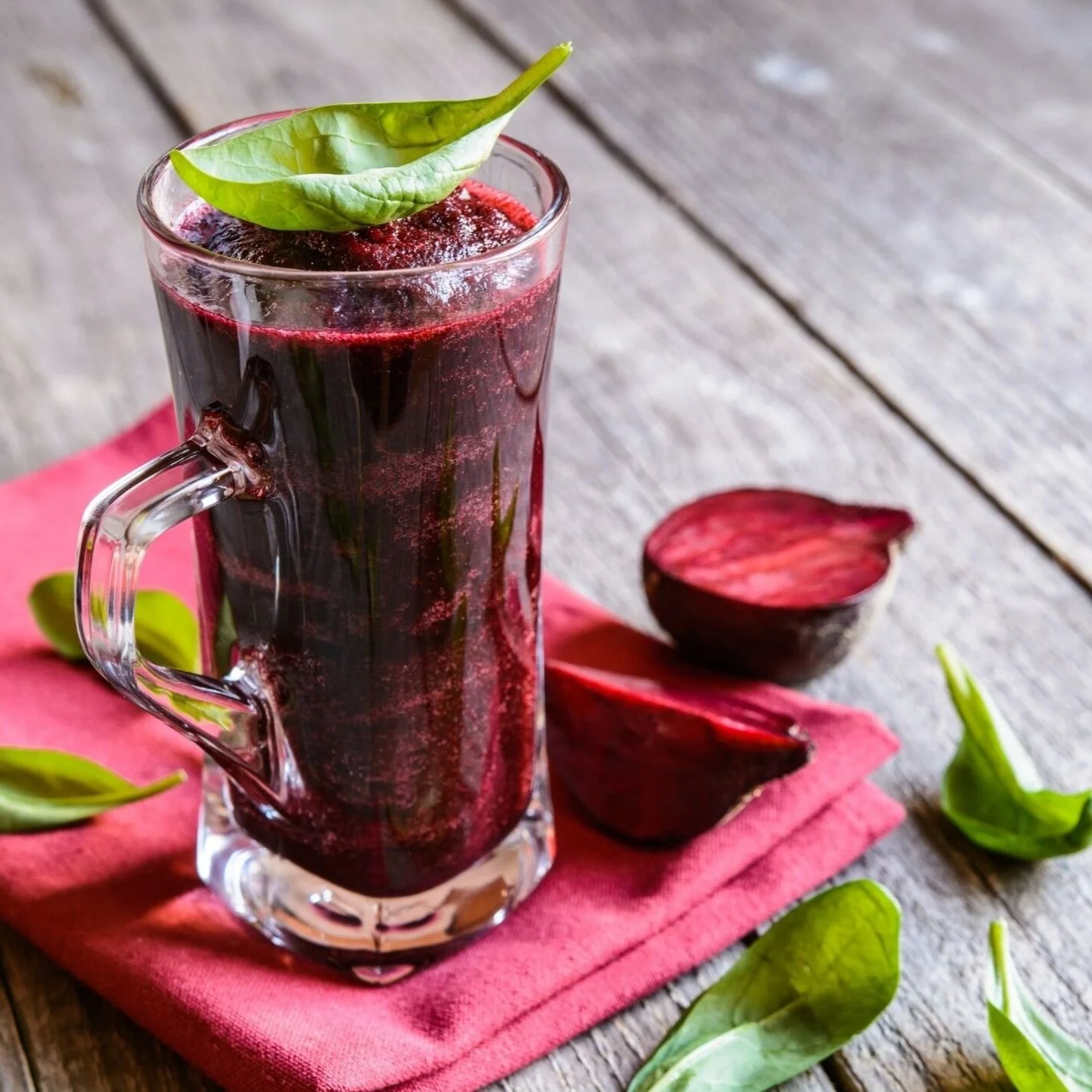
One study shows that consuming beetroot juice can potentially improve systolic and diastolic blood pressure in healthy older adults.
Other research found that beetroot juice has great potential to reduce Systolic BP and Diastolic BP, both in healthy individuals, as well as those with cardiovascular risk.
Scientists believe this is due to high levels of dietary nitrate found in beetroots. When consumed, the body converts this compound into biologically active nitrite and nitric oxide, the latter which is responsible for dilating and relaxing blood vessels.
I’ve been experimenting with beetroot juice recipes, which I’ll share when I’ve found a great concoction. If you’ve got any good beetroot juice recipes make sure to share it with me.
I’d love to know:
Have you had any issues with your blood pressure?
Have you successfully lowered your blood pressure naturally or with medical means?
Do you have any tips that worked for you in lowering your blood pressure?
Has beetroot juice helped you by any chance?
(You can answer below, or to me by email or in the More Life Health Facebook Community).
SOURCES
https://www.webmd.com/hypertension-high-blood-pressure/guide/blood-pressure-causes#1
https://www.mayoclinic.org/diseases-conditions/high-blood-pressure/symptoms-causes/syc-20373410 https://medlineplus.gov/highbloodpressure.html https://www.heart.org/en/health-topics/high-blood-pressure https://www.webmd.com/hypertension-high-blood-pressure/guide/diastolic-and-systolic-blood-pressure-know-your-numbers#1
https://www.nhs.uk/conditions/high-blood-pressure-hypertension/treatment/

Simple Eye Exercises | Eye Exercises For Seniors
Click here for an exercise video to strengthen the eye muscles, relax the eyes and also work on that vision.
5 eye exercises for seniors
Hey and welcome to another video!
Join me (Mike - Physiotherapist) for these eye exercises to help keep those eyes healthy!
Also, check out the EYE CARE GUIDE - CARING FOR YOUR EYES AFTER 60
Do your best and any questions ask below!
- Mike